
How Long Does a Bone Graft Last Without an Implant?
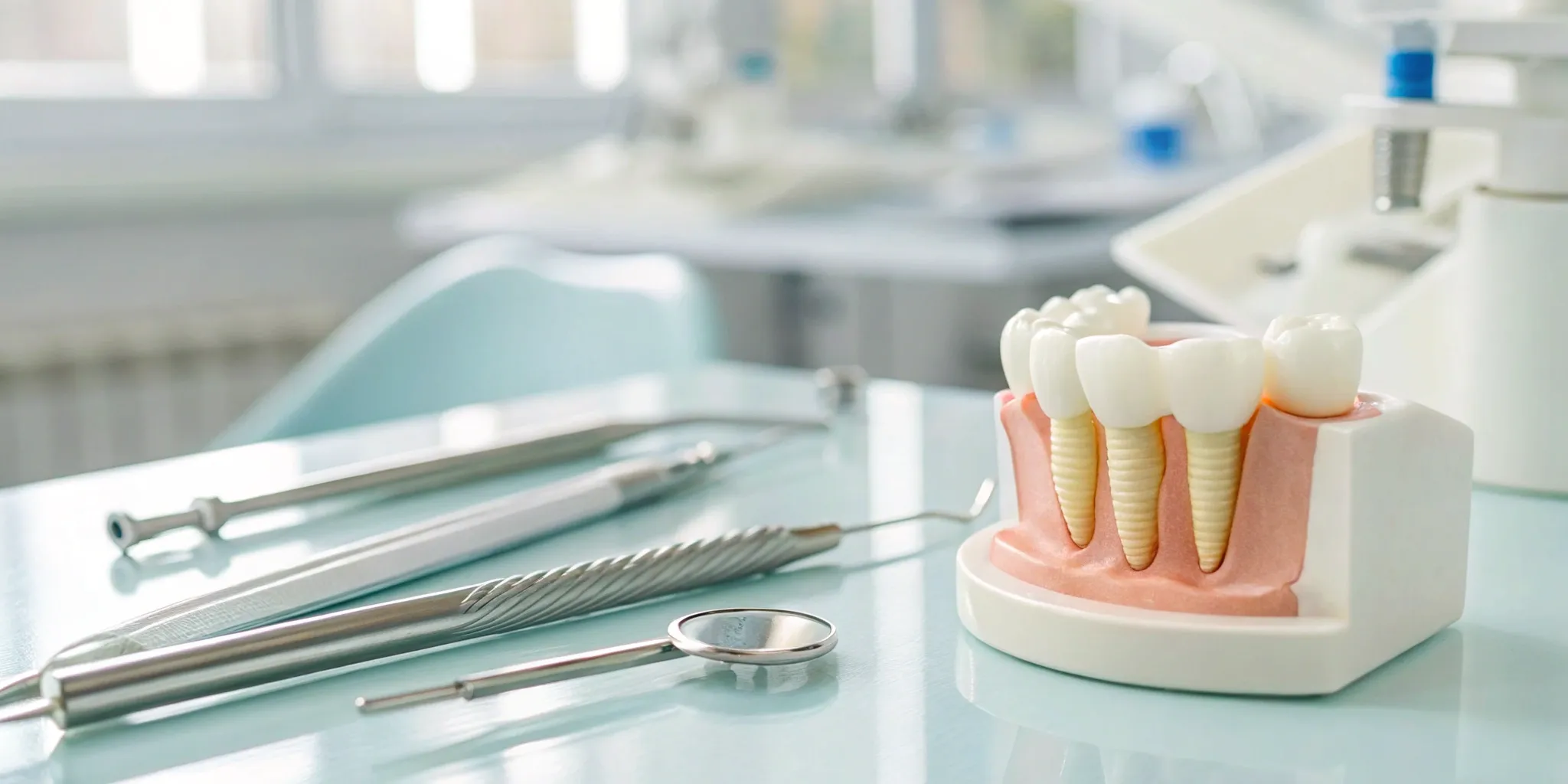
Think of a dental bone graft as pouring the perfect concrete foundation for a new house. It’s a critical, necessary step that creates a solid base. But you wouldn’t leave that foundation exposed to the elements for years before building the house on top of it. The same principle applies to your jaw. A bone graft rebuilds the bone beautifully, but it needs the structure of a dental implant to give it a long-term purpose. Without that stimulation, the body may eventually resorb the new bone material. This brings up the essential question of timing: how long does a bone graft last without an implant? We’ll explore why this timeline matters, what factors influence your graft’s stability, and how to ensure your new foundation is ready for a lasting restoration.
Key Takeaways
- View Your Graft as the Foundation: A bone graft isn't a standalone fix. Its job is to rebuild your jawbone, creating the solid base required for a successful and long-lasting dental implant.
- Don't Miss the Implant Window: Your new bone needs stimulation from an implant to stay strong. Plan to place your implant within 6 to 12 months post-graft to avoid bone loss and the potential need for a second procedure.
- Take an Active Role in Healing: The success of your bone graft is in your hands, too. Following aftercare instructions, maintaining a healthy lifestyle, and avoiding smoking are non-negotiable steps for ensuring the graft heals properly.
What Is a Dental Bone Graft, and Why Might You Need One?
If you’ve lost a tooth, you might have heard your dentist mention a bone graft. It sounds a lot more intense than it is. A bone graft is a common and highly successful procedure designed to rebuild and strengthen your jawbone. Think of it as preparing a solid foundation before building a house. A dental bone graft adds volume and density to your jaw where bone has been lost, creating the sturdy base needed for a dental implant.
When a tooth is missing, the jawbone in that area naturally begins to shrink. This can happen faster than you might think, and it can affect your facial structure and your ability to get a replacement tooth later on. A bone graft addresses this issue directly by placing new bone material in the empty space, encouraging your body to regenerate its own healthy bone. This simple step is often the key to restoring your smile and ensuring a long-lasting, stable result.
Why Bone Loss Happens After a Tooth Extraction
Your jawbone is a lot like a muscle—it needs regular exercise to stay strong. The roots of your teeth provide this workout every time you chew, sending signals that tell your body to maintain the bone’s density. When a tooth is extracted, that stimulation disappears. Without its job to do, the body begins to resorb the bone material in that area, causing it to shrink in both height and width.
This process, called bone resorption, is the body’s way of conserving resources. Unfortunately, it can create problems for your oral health. Significant bone loss can alter your facial appearance, cause neighboring teeth to shift, and make it impossible to place a dental implant without first rebuilding the area. This is why your dentist may recommend a bone graft soon after an extraction, to preserve the bone structure for future restorative work.
What Are Bone Grafts Made Of?
When we talk about a bone graft, the material used isn't one-size-fits-all. The goal is to place a scaffold that your body can use to build its own new bone. There are a few different types of safe and effective grafting materials. One common option is an allograft, which is bone sourced from a human donor and processed through a licensed tissue bank to ensure it's sterile and safe.
Another popular choice is an alloplast, which is a synthetic, lab-made material designed to mimic the structure of natural bone. These materials are biocompatible, meaning your body accepts them without any issues. In some cases, your surgeon might use other materials as well. Your dentist will determine the best type of material for your specific needs to get the best possible outcome.
The Bone Grafting Procedure: What to Expect
The bone grafting procedure is a straightforward and routine part of oral surgery. Your comfort is our top priority, so the first step is to completely numb the area with local anesthetic. You won’t feel any pain during the treatment. Once you’re comfortable, your dentist will make a small incision in your gum to access the jawbone underneath.
Next, the area is cleaned, and the bone grafting material is carefully placed where the bone has receded. This material acts as a framework, holding space while your body’s natural bone-building cells go to work. Often, a special membrane is placed over the graft to protect it and guide the healing process. Finally, the gum tissue is closed with a few small stitches. The entire process is relatively quick, and it sets the stage for a healthy, strong jaw ready to support your new smile.
How Long Does a Bone Graft Last Without an Implant?
A bone graft is an incredible procedure that rebuilds the foundation for your future smile, but it’s not a standalone solution. Think of it as the first step in a two-part process, with the dental implant being the final goal. The longevity of your graft is directly tied to when you complete that second step. Understanding the ideal timeline is key to ensuring you get the best possible outcome for your smile and avoid any setbacks.
The Critical Window for Placing Your Implant
After your bone graft, your body needs about three to six months to heal and integrate the new material with your jawbone. Once the site is stable, a critical window opens for placing your dental implant. We generally recommend moving forward with your implant within 6 to 12 months of the graft. This timeframe is the sweet spot—it gives your body time to build a strong foundation without waiting so long that the new bone begins to change. Planning your implant placement within this period is key to a successful, long-lasting restoration.
Why Your Jawbone Shrinks Without a Tooth Root
Your jawbone needs regular stimulation to stay strong. The roots of your teeth provide this workout every time you chew, signaling your body to maintain bone density. When a tooth is lost, those signals stop. Without a tooth root or an implant to take its place, the jawbone no longer receives the pressure it needs. In response, the body begins to resorb, or shrink, the bone because it no longer serves a purpose. This natural process is why a bone graft is often a necessary part of oral surgery before an implant can be placed.
How Time Affects Your Bone Graft
A bone graft can remain stable for about 6 to 12 months, but it isn't a permanent fix on its own. After this period, the resorption process can affect the grafted bone. If you wait too long to place an implant, the new bone you built can begin to shrink. If too much volume is lost, there may not be enough bone left to securely support an implant. This could mean needing a second bone graft procedure, adding more time and expense to your treatment. Sticking to the recommended timeline helps you avoid this setback and move forward successfully.
What Factors Influence Your Bone Graft's Lifespan?
Think of a bone graft as the foundation for your future dental implant. Just like building a house, you want that foundation to be as strong and stable as possible. But how long does it stay that way if you don't place an implant on top of it? The answer isn't a simple one-size-fits-all number. Several key factors come into play, determining how long your graft will maintain the necessary volume and density to support an implant.
From the specific material used for the graft to your personal health habits, each element plays a role in the outcome. Understanding these factors can help you and your dentist create a timeline that sets you up for the best possible result. Let's break down what influences the longevity of your bone graft and how you can contribute to its success.
How Graft Material Affects Success
Not all bone grafts are created equal, and the material we use is a major factor in its success. The most common options include autografts (bone from your own body), allografts (donated human bone), xenografts (animal bone), and synthetic materials. Autografts are often considered the gold standard because they integrate seamlessly with your existing bone and tend to last longer. Your body recognizes the tissue as its own, which can lead to more predictable healing. Each type of graft material has a different rate of resorption, which is the natural process of your body breaking it down. We’ll always choose the best material for your specific situation to ensure a strong foundation for your future implant.
The Role of Jaw Location and Existing Bone
Where the graft is placed in your mouth also makes a difference. Your jawbone isn't uniform; some areas are naturally denser and stronger than others. For example, the lower jaw generally has higher bone density than the upper jaw. Grafts placed in the upper jaw, especially near the sinuses where the bone is thinner, may break down a bit faster. The amount of healthy bone you have to begin with also plays a part. A successful graft needs a solid base to integrate with. That’s why a thorough evaluation, including imaging, is a critical first step in our oral surgery planning process.
Your Health and Lifestyle's Impact on Healing
Your body’s ability to heal is fundamental to the success of your bone graft. Your overall health and daily habits have a direct impact on this process. Conditions like uncontrolled diabetes can slow down healing, while smoking significantly reduces blood flow to the area, which can compromise the graft. Good nutrition is also essential, as your body needs the right vitamins and minerals to build new bone. Making healthy choices gives your graft the best possible environment to heal and integrate properly, ensuring it remains a stable base for a future dental implant.
The Importance of Proper Aftercare
What you do after your procedure is just as important as the surgery itself. Following your aftercare instructions to the letter is non-negotiable for a successful outcome. This includes keeping the surgical site clean to prevent infection, avoiding strenuous activity for the first few days, and sticking to a soft food diet. As mentioned before, it’s crucial to avoid smoking, as it can seriously hinder healing. Attending all your follow-up appointments allows us to monitor your progress and make sure everything is healing as it should. Proper aftercare is your contribution to ensuring the graft remains healthy and viable for as long as possible.
What Are the Risks of Waiting Too Long for an Implant?
After a bone graft, it’s tempting to think the hard part is over. While the healing process is a huge step, the clock is officially ticking. Think of your new bone graft as the perfect foundation for a house—it’s strong and ready, but it won’t stay that way forever if you don’t build on it. Waiting too long to place a dental implant can unfortunately undo much of the progress you’ve made, leading to complications that can affect your timeline, budget, and final results. Let’s walk through exactly what happens when you delay and why timing is so important for the success of your smile.
Losing Essential Bone Volume and Density
Your jawbone has a "use it or lose it" policy. The daily pressure from chewing tells your body that the bone is needed, keeping it strong and dense. When a tooth is missing, that stimulation is gone. A bone graft temporarily solves this by adding volume, but without an implant to act as a new tooth root, your body doesn't get the signal to maintain it. Over time, your body will naturally start to reabsorb the grafted material. This process can begin within a few months, and a significant amount of the new bone can be lost within the first year, shrinking the foundation we worked so hard to build.
Facing the Possibility of Another Graft
If too much of the grafted bone is lost, you may find yourself back at square one. When you’re finally ready for your implant, we might discover that the jawbone is no longer thick or strong enough to support it securely. This often means you’ll need another bone grafting procedure to rebuild the area again. Not only does this add another surgery to your treatment plan, but it also extends your timeline and adds to the overall cost. By planning your implant placement within the ideal window, you can avoid the frustration and expense of repeating a step you’ve already completed.
How Waiting Can Compromise Implant Success
The whole point of a bone graft is to create a solid, stable base for your dental implant. A successful implant needs to fuse directly with the jawbone in a process called osseointegration. When the grafted bone loses density and volume from disuse, it becomes a weaker foundation. Placing an implant into compromised bone significantly increases the risk of implant failure. The implant may not integrate properly, could feel loose, or may fail down the road. Sticking to the recommended timeline gives your implant the best possible chance of lasting a lifetime.
Changes to Your Bite and Facial Structure
The consequences of delaying an implant extend beyond the graft site itself. When there’s a gap in your smile, the neighboring teeth naturally start to shift and tilt into the empty space. This can throw your bite out of alignment, leading to chewing difficulties, jaw pain, and uneven wear on your other teeth. Over the long term, significant bone loss in the jaw can also affect your facial profile. Without the underlying bone to provide support, your cheeks and lips can appear sunken, which is a concern we often address with our cosmetic dentistry services. An implant prevents this by preserving the bone and keeping your entire smile in harmony.
How Do You Know if Your Bone Graft Is Healing Properly?
After any dental procedure, it’s completely normal to pay close attention to how you’re feeling. You want to know that everything is on track, and a bone graft is no different. Your body is busy building new, healthy bone, and while it does its work, you’ll experience a healing process with some tell-tale signs. Knowing what to expect can give you peace of mind and help you spot any potential issues early. We’re here to guide you through what’s normal and what warrants a call to our office, so you can feel confident as you recover.
Positive Signs Your Graft Is Healing Well
In the first few days after your procedure, you can expect some discomfort, swelling, and minor bleeding—this is your body’s natural response. The good news is that these symptoms should start to improve pretty quickly. A key sign of healthy healing is that any pain is manageable with the medication we prescribed or recommended. You’ll also notice that the initial swelling peaks around day three and then gradually starts to go down. As the days pass, you should feel progressively better, not worse. This steady improvement is the best indicator that your bone graft is integrating successfully and your recovery is right on schedule.
Red Flags and Warning Signs to Watch For
While most bone grafts heal without a hitch, it’s important to know which signs could point to a complication. Paying attention to your body can help catch any issues before they become serious. If you experience severe or throbbing pain that isn’t getting better after the first five days, that’s a reason to call us. Other red flags include a fever over 101°F, persistent bleeding that doesn’t stop with pressure, or a bad taste or smell coming from the surgical site, which could signal an infection. You should also watch for gum tissue pulling back (recession) or any graft material becoming exposed. These are not typical parts of the healing process for oral surgery and should be addressed right away.
How We Monitor Your Healing Progress
You’re not on this healing journey alone. We’ll schedule follow-up appointments to personally check on your progress and make sure everything is healing as it should. During these visits, we’ll carefully examine the surgical site to see how your gums are healing over the graft. We’ll also look for any signs of infection or inflammation and ensure the graft material is stable. These check-ins are a crucial step in preparing your jaw for the final restoration, like strong and stable dental implants. It’s our chance to answer your questions, address any concerns, and confirm that you’re on the path to a successful outcome.
When to Call Your Dentist
Our rule of thumb is simple: when in doubt, give us a call. We would much rather you call with a question than wait and worry. You should contact our office immediately if you experience pain that you can’t control with your prescribed medication, if you develop a fever, or if any of your symptoms suddenly get worse instead of better. Excessive bleeding or swelling that continues to increase after the third day are also clear signs that you need to be seen. Your health and comfort are our top priorities, and our team is here to support you through every step of your recovery. You can find information on all our services and contact details on our website.
How to Protect Your Bone Graft
Taking care of your bone graft is a team effort, and you’re the most valuable player. Your daily habits and follow-through after the procedure play a huge role in setting you up for a successful dental implant. Think of this healing period as laying the perfect foundation for your future smile. By following a few key steps, you can protect your investment and ensure your jaw is strong and ready for the next phase of your treatment. Here’s how you can take an active role in your recovery.
Follow Your Aftercare Instructions
After your procedure, it’s normal to have some swelling, mild pain, and a little bleeding. We’ll send you home with a detailed set of aftercare instructions and any necessary medication to keep you comfortable. Following these directions is the single most important thing you can do. This includes sticking to a soft food diet for a period, keeping the surgical site clean as directed, and avoiding smoking. Maintaining excellent oral hygiene is crucial for preventing infection and helping the graft heal properly. Attending your scheduled follow-up appointments and regular dental check-ups allows us to monitor your progress and catch any potential issues early.
Make Lifestyle Choices That Support Bone Health
Your body’s ability to heal is directly connected to your overall health. Certain lifestyle choices can significantly support the bone integration process. A balanced diet rich in calcium and vitamin D, for example, gives your body the raw materials it needs to build strong, healthy bone. If you smoke, this is a critical time to stop, as smoking can seriously hinder healing. Managing health conditions like diabetes is also important. You don’t have to overhaul your life overnight, but making small, health-conscious choices can make a big difference in ensuring your bone graft is successful and your recovery is smooth.
Plan Your Implant Timeline with Your Dentist
A bone graft is usually the first step toward placing a dental implant, and timing is everything. We typically recommend placing the implant within 6 to 12 months after the graft has fully healed. This window is important because it allows the new bone to become strong and stable, but it’s not so long that the bone begins to shrink from lack of use. We’ll work closely with you to map out a timeline that fits your specific healing process. This collaborative planning ensures we move forward at the ideal moment, maximizing the chances of long-term success for your implant.
Common Myths About Bone Graft Longevity
One common misconception is that a bone graft will last forever on its own. While the grafted material does integrate with your jaw to become a permanent part of you, it needs a job to do. Without the stimulation provided by a tooth root or a dental implant, the jawbone can begin to resorb, or shrink, over time. Even a successful graft can lose significant density within the first year if an implant isn't placed. That’s why we consider a bone graft a preparatory step in our oral surgery services—it rebuilds the jaw so it can support an implant that will keep it strong for years to come.
Related Articles
- Bone Graft Healing Stages Pictures: A Visual Guide
- Bone Grafting
- Tooth Extractions and Teeth Replacements/Implants: How Long Does It Take?
Frequently Asked Questions
Is the bone grafting procedure painful? This is one of the most common questions we hear, and the answer is no, the procedure itself is not painful. We make sure the entire area is completely numb with local anesthetic before we begin, so you won't feel anything during the treatment. You can expect some soreness and swelling for a few days afterward, but this is a normal part of healing and is usually very manageable with over-the-counter pain relievers and the specific instructions we provide.
How long do I have to wait after a bone graft to get my dental implant? Your body needs time to work its magic and integrate the new material with your jawbone. This healing process typically takes about three to six months. Once the site is fully healed and stable, we generally recommend placing your dental implant within the next 6 to 12 months. This timeframe is the sweet spot, as it ensures the foundation is strong without waiting so long that the new bone begins to change.
What happens if I wait too long to get an implant after my bone graft? Think of your jawbone as having a "use it or lose it" policy. A bone graft rebuilds the bone, but without the stimulation from a tooth root or an implant, your body will eventually start to resorb that bone. If you wait too long, you could lose a significant amount of the volume we worked to create. This could mean the foundation is no longer strong enough to support an implant, and you might need a second bone graft procedure to build it back up again.
How can I tell if my bone graft is failing? While complications are rare, it's important to know what to look for. Healthy healing involves a gradual decrease in pain and swelling after the first few days. A red flag would be severe, throbbing pain that doesn't get better, a fever, or a foul taste or smell coming from the surgical site. If you notice any of these signs or see the graft material becoming exposed, you should call our office right away so we can take a look.
Do I have to change my lifestyle after a bone graft? For the best results, some temporary adjustments are key. The most important thing is to follow your aftercare instructions precisely, which includes sticking to a soft diet and keeping the area clean. In the long term, making choices that support your overall health will also support your graft. This includes eating a balanced diet and avoiding smoking, as tobacco use can seriously interfere with your body's ability to heal and build new bone.