
Sensitivity in a Tooth with a Crown: Causes & Fixes
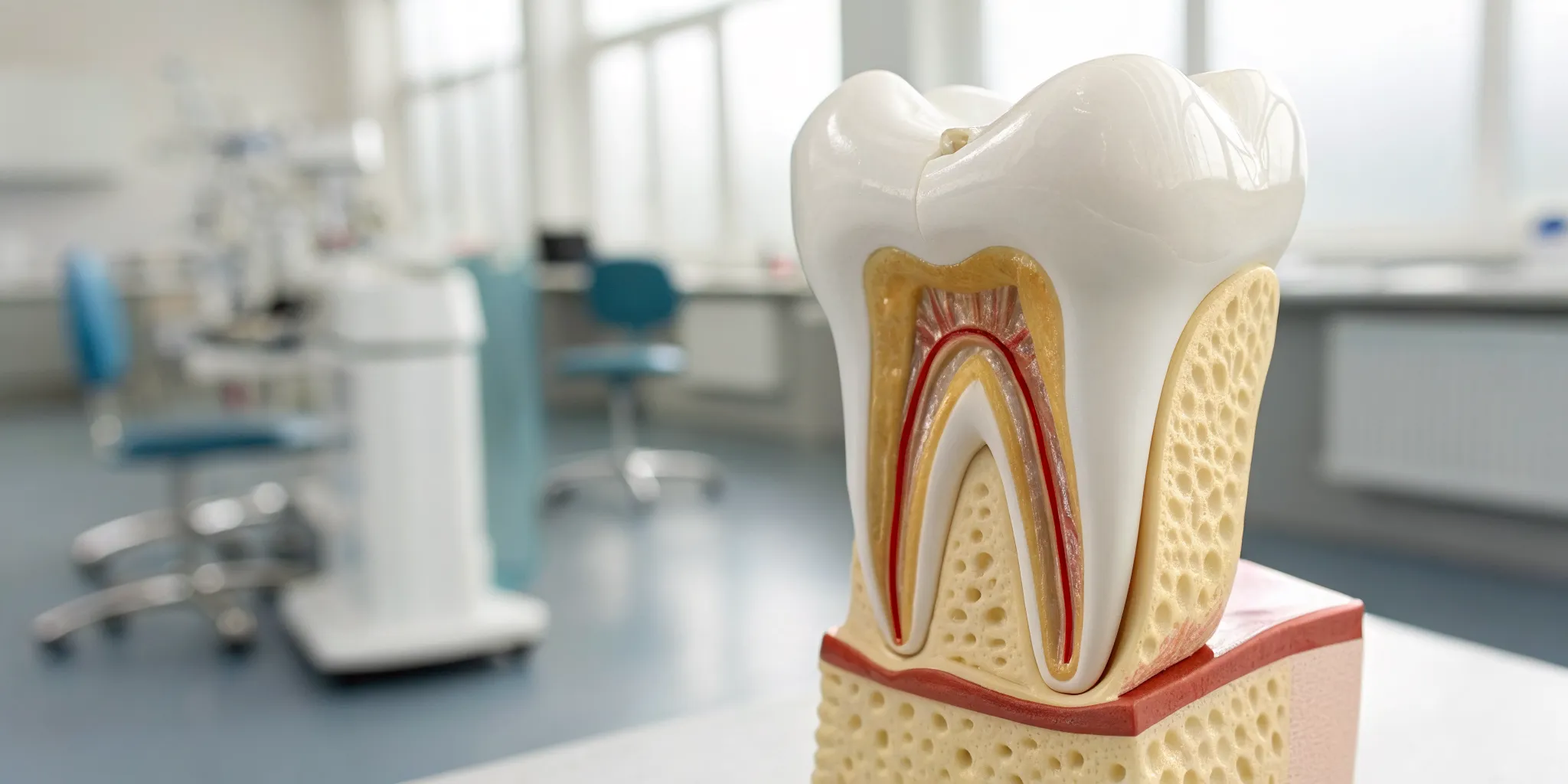
You’ve just left our office with a beautiful new crown, feeling great about your restored smile. Then, you take a sip of cold water and feel a familiar, unwelcome zing. Or maybe your bite just feels a little off when you chew. Experiencing some sensitivity in tooth with crown is a very common part of the adjustment period. Your tooth and the surrounding gums just went through a significant procedure and need a little time to settle down. This article is your complete guide to the post-crown experience, explaining what sensations are normal, what you can do to manage them, and how to know when your sensitivity might signal the need for a quick follow-up visit.
Key Takeaways
- Temporary sensitivity is a normal part of healing: Expect some initial discomfort with temperature changes as your tooth's nerve and gums need time to adjust after the procedure; this feeling usually fades within a few weeks.
- Manage discomfort with simple at-home care: You can find relief by using a desensitizing toothpaste, avoiding extremely hot or cold foods, and brushing gently around the new crown to prevent further irritation.
- Don't wait if the pain lingers or feels sharp: If sensitivity lasts more than three weeks or you feel a distinct pain when biting down, schedule a visit, as a quick and painless bite adjustment often solves the problem.
Why Is My Tooth Sensitive After a Crown?
Feeling some sensitivity after getting a new crown is completely normal. Your tooth and gums just went through a significant procedure, so they need time to adjust. This discomfort is usually temporary and fades within a few days or weeks as your mouth heals. The sensitivity can stem from a few different sources, including temporary nerve irritation or an issue with the crown's fit. Understanding the cause can help you manage the discomfort and know when to give us a call.
Nerve Irritation from the Procedure
To place a crown, we reshape your natural tooth, which can temporarily irritate the nerve inside. Think of it like a muscle that’s sore after a workout; the nerve just needs a little time to recover from the work that was done. This preparation can cause some inflammation, making the nerve more reactive to hot and cold temperatures. It’s often the main reason for that initial sensitivity right after your appointment. As the nerve calms down and your tooth heals over the next few days or weeks, this feeling typically subsides on its own without any intervention.
Exposed Dentin
Beneath your tooth's hard outer enamel is a softer, more porous layer called dentin. This layer contains thousands of microscopic tubes that lead directly to the tooth's nerve center. When we prepare a tooth for a crown, some of this dentin can be exposed. These tiny channels allow things like hot coffee, ice cream, or even cold air to stimulate the nerve, causing that sharp, zinging sensation. This is a normal part of the process, and the feeling usually fades as the tooth adjusts to its new protective covering.
Inflamed Gums
Your gums can also feel a bit sore after a crown procedure. To ensure a perfect, seamless fit, your gum tissue is often gently manipulated during the process, which can lead to some temporary inflammation and tenderness. You might notice this most when you brush or floss around the new crown. Gentle but thorough oral hygiene is key here, as it helps soothe the area and speed up healing. This is a normal part of our general dentistry procedures and should improve within a week or so as your gums get used to their new neighbor.
An Improperly Fitted Crown
If your sensitivity lingers, especially when you bite down, your crown's fit might need a small adjustment. If the crown is even a fraction of a millimeter too high, it can throw off your bite. This causes that single tooth to absorb too much pressure when you chew, which can irritate the underlying nerve and ligaments. If your bite feels "off" or you notice you're hitting that tooth first, please let us know. A simple adjustment in our office is usually all it takes to fix the issue. It's one of the many services we provide to ensure your complete comfort and a perfect fit.
How Long Does Crown Sensitivity Last?
Feeling some sensitivity after getting a new crown is very common, so if your tooth feels a little tender, take a deep breath. The procedure involves preparing your natural tooth, which can temporarily irritate the nerve inside. Think of it as your tooth adjusting to its new, protective covering. This discomfort is usually temporary and a normal part of the healing process. Most people find that the sensitivity fades on its own as the tooth and surrounding gums settle down.
The key is to understand what’s normal and what might signal that you need a follow-up visit. Let’s walk through the typical timeline and what you can expect.
The Typical Recovery Timeline
For most people, sensitivity after a crown is placed lasts anywhere from a few days to about two weeks. You might notice a twinge when you drink something hot or cold or when you bite down. This discomfort should gradually get better each day. In some cases, mild sensitivity can linger for up to six weeks, especially if the tooth had a deep cavity or extensive work done before the crown was placed. The important thing is that you see a consistent, gradual improvement over time. If the pain stays the same or gets worse, that’s a different story.
What Affects Your Healing Time?
Several factors can influence how long your tooth feels sensitive. First, remember that the tooth under your crown is still alive and has a nerve that can react to temperature changes and pressure. The process of preparing the tooth for cosmetic dentistry procedures like a crown can leave this nerve a bit inflamed. Your healing time can also be affected by how your gums react. If they were irritated during the procedure, they might be tender for a few days. An ill-fitting or "high" crown that hits first when you bite can also cause sensitivity, but that’s something we can easily adjust in our office.
When to Worry About Sensitivity
While some initial discomfort is expected, you shouldn't have to live with it for long. It’s time to give us a call if your sensitivity lasts for more than three or four weeks without improving. You should also contact us if the pain is severe, gets worse instead of better, or feels like a sharp, shooting sensation. Another key sign is a bite that still feels "off" after a week or two. If the pain is making it difficult to eat, drink, or sleep, don't wait it out. We want you to feel comfortable with your new crown, and we're here to help figure out what's going on.
What Does Crown Sensitivity Feel Like?
Crown sensitivity isn't a one-size-fits-all experience. It can range from a quick, sharp shock to a dull, persistent ache. Understanding the specific type of discomfort you're feeling can help pinpoint the cause and find the right solution. Most people describe their sensitivity in one of three ways: a reaction to temperature, pain when chewing, or a general aching feeling. Let's break down what each of these sensations means for your tooth.
Pain from Hot or Cold
Do you get a sudden, sharp pain when you sip your morning coffee or take a bite of ice cream? This is one of the most common signs of a sensitive crown. During the crown preparation process, some of the tooth's protective enamel is removed, which can expose the layer beneath it, called dentin. This dentin layer contains thousands of microscopic tubes that lead directly to the tooth's nerve center. When hot or cold temperatures hit this exposed area, the sensation travels straight to the nerve, causing that familiar zinging feeling. While this type of sensitivity is often temporary as the nerve calms down, it can be quite uncomfortable in the meantime.
Discomfort When Biting Down
If you feel a jolt of pain specifically when you bite down on food, your crown might be what dentists call "high." This simply means the crown sits a little taller than your natural teeth, preventing your bite from fitting together correctly. When you chew, the high spot on the crown hits the opposing tooth first, putting too much pressure on that single point. This focused pressure can cause sharp discomfort and make eating difficult. The good news is that this is usually a straightforward fix. A quick visit to your dentist for a bite adjustment can smooth things out and provide immediate relief.
Aching from Pressure
Sometimes, the sensitivity isn't a sharp pain but more of a dull, throbbing ache that lingers. This often happens for the same reason as discomfort when biting down: an improper fit. When your bite is off, even slightly, it creates constant, uneven pressure on the crowned tooth and the surrounding tissues every time your teeth meet. This persistent pressure can lead to a nagging ache in the tooth or even your jaw. It’s your mouth’s way of telling you that something isn’t quite right with your bite alignment. Our general dentistry team can assess your bite to see if an adjustment is needed to ease the pressure.
Why Does Biting Down Hurt?
If you feel a sharp twinge or a dull ache when you chew, it’s often a sign that your bite isn’t lining up correctly. This is one of the most common reasons for sensitivity after getting a crown, but it’s also one of the most fixable. When your new crown is even a fraction of a millimeter too high, it takes on more force than it should every time you close your mouth. This constant pressure can irritate the ligaments around your tooth’s root, leading to that familiar pain when you bite down. Let’s look at what causes this and how we can help.
A "High" Bite or Poor Fit
When a dental crown is described as "high," it means its surface sits slightly above your other teeth. As a result, it makes contact with the opposing tooth before any others do. This uneven pressure can inflame the underlying tooth and surrounding tissues, causing discomfort. A poorly fitted crown can also make you more likely to grind your teeth, especially at night, which only adds to the soreness. Your bite should feel natural and balanced, so if something feels off when you chew, it’s important not to ignore it. Your mouth is incredibly sensitive to small changes, and that high spot is telling you it needs an adjustment.
How We Can Adjust Your Bite
The great news is that a high bite is a simple problem to solve. If your crown feels uncomfortable when you bite down, we can make a quick and painless adjustment. During your visit, we will have you bite down on a special colored paper that marks exactly where the high spots are. Then, we can gently polish the crown’s surface to remove the excess material, allowing your teeth to meet evenly and comfortably. This small change provides immediate relief for most people. Our general dentistry services are designed to ensure every restoration fits perfectly, so don't hesitate to schedule a follow-up if your bite still feels off after a week or two.
How to Manage Crown Sensitivity at Home
While your new crown settles in, some sensitivity is normal. The good news is you don't have to just wait it out. There are several simple, effective things you can do at home to manage the discomfort and help your mouth feel better. These tips can provide immediate relief and support the healing process until the sensitivity fades on its own. Think of them as your go-to care plan for the first few days or weeks after your procedure.
Use a Desensitizing Toothpaste
Making a small switch in your medicine cabinet can make a big difference. Desensitizing toothpastes are specifically formulated to help with this exact issue. They contain active ingredients, like potassium nitrate, that work by blocking the tiny pathways to your tooth's nerves, which helps calm down those zings of pain from hot or cold stimuli. You can find these toothpastes at any local pharmacy. Using one consistently as part of your daily routine can gradually reduce sensitivity and make brushing a much more comfortable experience while your tooth adjusts to its new crown. It’s an easy first step toward finding relief.
Adjust Your Diet
What you eat and drink can directly impact your comfort level after getting a crown. For a little while, try to steer clear of foods and beverages at extreme temperatures. That morning cup of piping hot coffee or a bowl of ice cream after dinner might trigger a sharp, unpleasant sensation. Instead, opt for things that are lukewarm or closer to room temperature. Letting your tea cool down a bit or choosing chilled water over ice water can prevent that shock to the nerve. This simple dietary adjustment gives the area time to heal without the added stress of temperature swings, making your recovery much smoother.
Brush and Floss Gently
Your oral hygiene routine is as important as ever, but it might require a gentler approach. Aggressive brushing can irritate an already sensitive tooth and the surrounding gums. I recommend using a toothbrush with soft bristles and applying only light pressure in soft, circular motions. This cleans effectively without causing further irritation. If flossing around the new crown feels painful, don't skip it altogether. Instead, you could try a water flosser on a low setting with lukewarm water. Taking a gentler approach to your general dentistry care helps keep the area clean, which is crucial for healing, while minimizing any discomfort.
Try a Salt Water Rinse
A warm salt water rinse is a classic home remedy for a reason: it works. This simple solution is excellent for soothing inflammation and keeping the area around your new crown clean. The salt acts as a natural disinfectant and can help reduce any swelling or tenderness in your gums. To make it, just dissolve about half a teaspoon of salt in a glass of lukewarm water. Swish the mixture gently in your mouth for about 30 seconds, focusing on the sensitive area, and then spit it out. You can do this two to three times a day, especially after meals, to help calm irritation and promote a healthy healing environment.
What to Avoid with a Sensitive Crown
When your new crown feels sensitive, your first instinct might be to treat it with extra caution. That’s a great start, but knowing exactly what to do (and what not to do) can make a huge difference in your comfort. While your tooth adjusts, steering clear of certain triggers can help speed up your recovery and prevent unnecessary pain. Making a few temporary changes to your daily habits can protect the delicate area around your new crown and give the underlying nerve time to settle down.
Common Myths About Crown Sensitivity
Let's clear up a common misconception: while it's true that some sensitivity after a cosmetic dentistry procedure is normal, you don't just have to "tough it out." Many people believe the discomfort will vanish on its own no matter what they do, but certain actions can definitely make it worse or last longer. The healing process is an active one. Paying attention to what irritates your tooth and making small adjustments is the best way to manage sensitivity. Ignoring the pain or pushing through it can sometimes delay healing, so it’s better to be proactive and gentle with your new crown.
Foods and Drinks That Make It Worse
Your diet is one of the biggest factors when it comes to crown sensitivity. The main culprits are foods and drinks at extreme temperatures. That morning cup of hot coffee or a bowl of ice cream can send a zinging sensation through the tooth. Try to stick with lukewarm or room-temperature options for a while. You should also be mindful of sugary and acidic items, like soda, citrus fruits, and candy, as they can aggravate an already sensitive nerve. Finally, avoid chewing hard or sticky foods on the side of your new crown to prevent putting too much pressure on it while it settles.
Oral Hygiene Mistakes to Skip
Keeping your mouth clean is essential for healing, but aggressive brushing can do more harm than good. A common mistake is using a hard-bristled toothbrush or applying too much pressure, which can irritate the sensitive gum line around the crown. Instead, switch to a soft-bristled brush and use gentle, circular motions. If flossing is painful, don't skip it altogether. Try using a water flosser with lukewarm water for a gentler clean. Maintaining your oral hygiene routine and attending regular dental check-ups will ensure your crown and the tooth beneath it stay healthy for the long haul.
When to See Your Dentist for Lasting Sensitivity
While some initial sensitivity is normal, you shouldn't have to live with it forever. At-home care can do a lot, but if your discomfort sticks around, it’s a signal that something else might be going on. A good rule of thumb is to schedule a visit if the sensitivity lasts longer than three weeks, gets worse, or turns into a sharp, shooting pain. Ignoring persistent sensitivity can allow a small, fixable issue to become more complex, so it's always best to have it checked out sooner rather than later.
When you come in for an appointment, we’ll start by listening to your experience. We want to know exactly what you're feeling, when it happens, and how long it's been going on. Then, we'll perform a careful examination of your crown and the surrounding teeth and gums. We might take an X-ray to get a look at what's happening beneath the surface. Our goal is to pinpoint the exact cause of your discomfort so we can recommend the right solution. It could be something as simple as a small adjustment, or it might require a more specific treatment to get you comfortable again. The important thing is not to ignore persistent pain. Our team is here to find a solution that brings you relief, ensuring your new crown feels just as good as it looks. We offer a full range of dental services to address any issue, big or small.
In-Office Desensitizing Treatments
If your sensitivity is due to an irritated nerve or exposed dentin, we have professional treatments that can help. Unlike over-the-counter products, these in-office solutions are more concentrated and offer faster, more lasting relief. For example, we can apply a professional-grade fluoride varnish to the sensitive area. This treatment helps strengthen your tooth enamel and the dentin underneath, creating a stronger barrier against temperature changes. We can also apply special dental sealants or bonding agents to cover exposed root surfaces near the crown, effectively blocking the pathways that lead to nerve pain. These treatments are quick, painless, and can make a huge difference.
Adjusting Your Crown or Bite
Sometimes, the problem is purely mechanical. If your new crown is even a little too high compared to your other teeth, it can throw your bite off. When this happens, chewing puts too much pressure on that one tooth, leading to irritation and pain. You might notice a dull ache or a sharp pain when you bite down. The fix for this is usually quick and painless. We can make small, precise adjustments to the crown’s surface to ensure your bite is even and comfortable. This simple procedure relieves the excess pressure and stops the pain, allowing your tooth to feel normal again.
Advanced Solutions for Severe Pain
If your pain is severe, getting worse over time, or doesn't go away with other treatments, it may point to a deeper issue with the tooth's nerve. When the nerve, or pulp, inside the tooth is badly inflamed or infected, it can cause intense, throbbing pain that needs immediate attention. In these situations, a root canal might be the best solution to save the tooth. This procedure involves removing the damaged nerve, cleaning the inside of the tooth, and sealing it to prevent further problems. Our team is experienced in oral surgery and can make the process as comfortable as possible.
When Should You Call Your Dentist?
While a little sensitivity is a normal part of the healing process, you shouldn't have to live with lasting discomfort. Knowing the difference between typical recovery and a potential problem is key. If your sensitivity feels severe or just isn’t getting better, it’s always best to give us a call. Trust your instincts; you know your body better than anyone.
Warning Signs to Watch For
Pay close attention to how you're feeling in the days and weeks after your procedure. It’s time to schedule a visit if the pain is sharp, severe, or gets worse instead of better. You should also call us if the crown feels loose, shifts when you chew, or if it seems like the bonding cement is leaking. Other red flags include signs of an allergic reaction (like swelling or a rash around the area) or symptoms of an infection, such as swollen gums, a fever, or a bad taste in your mouth. These issues won't resolve on their own and require professional dental care.
How Long Is Too Long to Wait?
Most sensitivity after a crown fades within a few days to a couple of weeks. If you’re still feeling significant discomfort after three weeks, that’s a sign that something else might be going on. Pain that lasts longer than four to six weeks is definitely not part of the standard healing process. Don’t feel like you have to tough it out. Waiting too long can sometimes allow a small issue to become more complex. Getting it checked out gives us a chance to address the root cause and get you back to feeling comfortable with your new cosmetic restoration.
We're Here to Help
Please never hesitate to reach out if you're concerned about your crown. Your comfort and peace of mind are our top priorities. Openly talking with your dentist about what you’re experiencing is the most important step toward finding a solution. We can assess the situation, figure out what’s causing the sensitivity, and recommend the right treatment to fix it. Whether it’s a simple bite adjustment or another solution, we have a full range of dental services to ensure your crown feels and functions perfectly. Your oral health is a partnership, and we’re here to support you every step of the way.
How to Prevent Sensitivity with Proper Aftercare
Taking care of your new crown is the best way to manage sensitivity and ensure it lasts for years. A little proactive care right after your procedure and some simple long-term habits can make all the difference in your comfort and oral health.
Your Post-Procedure Care Plan
It’s completely normal to experience some sensitivity after getting a new dental crown. Think of it as your tooth adjusting to its new protective layer. This feeling usually fades within a few days or weeks. To make your recovery as comfortable as possible, you can take a few simple steps right away. For the first few days, try to avoid foods and drinks that are very hot or cold, like ice cream or steaming coffee. Opting for room-temperature beverages can make a big difference. It’s also a good idea to stick to softer foods while your mouth adjusts. This gentle approach gives the area time to heal without any extra stress.
Long-Term Tips for a Healthy Crown
Once the initial adjustment period is over, a few good habits can keep your crown comfortable for years to come. If you still notice mild sensitivity, switching to a toothpaste designed for sensitive teeth can help block the nerve signals that cause discomfort. Maintaining excellent oral hygiene is also key. Be sure to brush gently with a soft-bristled toothbrush and floss daily to keep the gumline around your crown healthy. Finally, don't skip your follow-up appointments. These visits allow us to check the crown’s fit and make sure everything is functioning perfectly, preventing minor issues from becoming bigger problems.
Help Your Mouth Heal
A little extra care can go a long way in helping your mouth heal and feel its best. If your gums feel tender or inflamed, rinsing with warm salt water a few times a day can provide soothing relief. For those who grind their teeth at night, a condition known as bruxism, wearing a custom mouthguard can protect your new crown from excessive pressure. While some sensitivity is expected, it shouldn't last forever. If your discomfort continues for more than a few weeks, gets worse, or feels severe, it’s time to give us a call. We can assess the situation and ensure your dental treatment is a complete success.
Related Articles
- How Much Does a Front Tooth Crown Cost in 2026?
- The Guide to Dental Implants for Tooth Fixation
- Wisdom Teeth Recovery: How Long Does It Really Take?
- Your Guide to Affordable Same Day Dental Implants
Frequently Asked Questions
Is it normal for my tooth to be sensitive to hot and cold after a crown? Yes, that's completely normal and very common. The process of preparing a tooth for a crown can temporarily irritate the nerve inside, making it more reactive to temperature changes. This sensation is usually temporary and should gradually fade over a few days or weeks as your tooth and gums heal and adjust to the new restoration.
How long is too long for my crown to feel sensitive? While some initial sensitivity is expected, it shouldn't stick around forever. Most discomfort improves significantly within the first two weeks. If you're still experiencing consistent sensitivity after three or four weeks, or if the pain is severe or getting worse, it's time to give us a call so we can take a look.
My bite feels "off" and it hurts when I chew. Will this go away on its own? This is one issue that typically won't resolve by itself. If your bite feels uneven or you feel a jolt of pain when you chew, it likely means the crown is a little too high and is hitting its opposing tooth with too much force. This is a straightforward fix, so please schedule a visit. We can make a quick, painless adjustment to the crown's surface to make your bite feel comfortable and balanced again.
What are the most effective things I can do at home to manage the discomfort? For immediate relief, try switching to a toothpaste made for sensitive teeth, as it can help block the nerve pathways that cause pain. It also helps to avoid foods and drinks that are at extreme temperatures for a little while; think lukewarm instead of piping hot or ice cold. A gentle rinse with warm salt water can also soothe any gum inflammation and promote healing.
Could the sensitivity mean there's a more serious problem with the tooth? In most cases, sensitivity is just a normal part of the healing process. However, if the pain is severe, throbbing, or gets progressively worse, it could indicate a deeper issue with the tooth's nerve. If your discomfort is intense and isn't improving, it's important to have it evaluated. We can determine the cause and see if a treatment like a root canal is needed to resolve the pain and save the tooth.