The Real Cost of 2 Dental Implants with Bone Grafting
Getting dental implants is less like buying a product off the shelf and more like commissioning a custom piece of art for your smile. Every detail is tailored to you, from the exact placement of the implant to the shade of the final crown. This is especially true when a bone graft is needed to create a strong foundation. Because the process is so personalized, the cost of 2 dental implants with bone grafting can vary significantly from one person to the next. To help you understand your own potential investment, we’re going to look at all the individual building blocks that make up the final price, giving you a clear and transparent view of the entire process.
Key Takeaways
- Understand the Price Breakdown: Your total investment is a sum of several parts, including the implant posts, the custom crowns, the dentist's expertise, and any necessary preparatory work like a bone graft.
- A Strong Foundation is Key: The health of your jawbone is the biggest factor in your treatment plan; if you have bone loss, a graft is an essential step to ensure your implants have the stable support they need to last.
- Consider the Long-Term Value: While implants have a higher upfront cost than other options, their durability can make them a more cost-effective choice over your lifetime, saving you from the recurring expenses of replacements.
What's the Average Cost of Two Dental Implants with a Bone Graft?
When you’re thinking about replacing missing teeth, one of the first questions on your mind is likely about the cost. It’s a completely valid concern, and you deserve a clear answer. For two dental implants that also require a bone graft, the total investment typically ranges from $6,000 to over $15,000. That’s a wide range, and for good reason: your treatment plan is created just for you. Since every patient’s oral health is unique, the final price will reflect your specific needs.
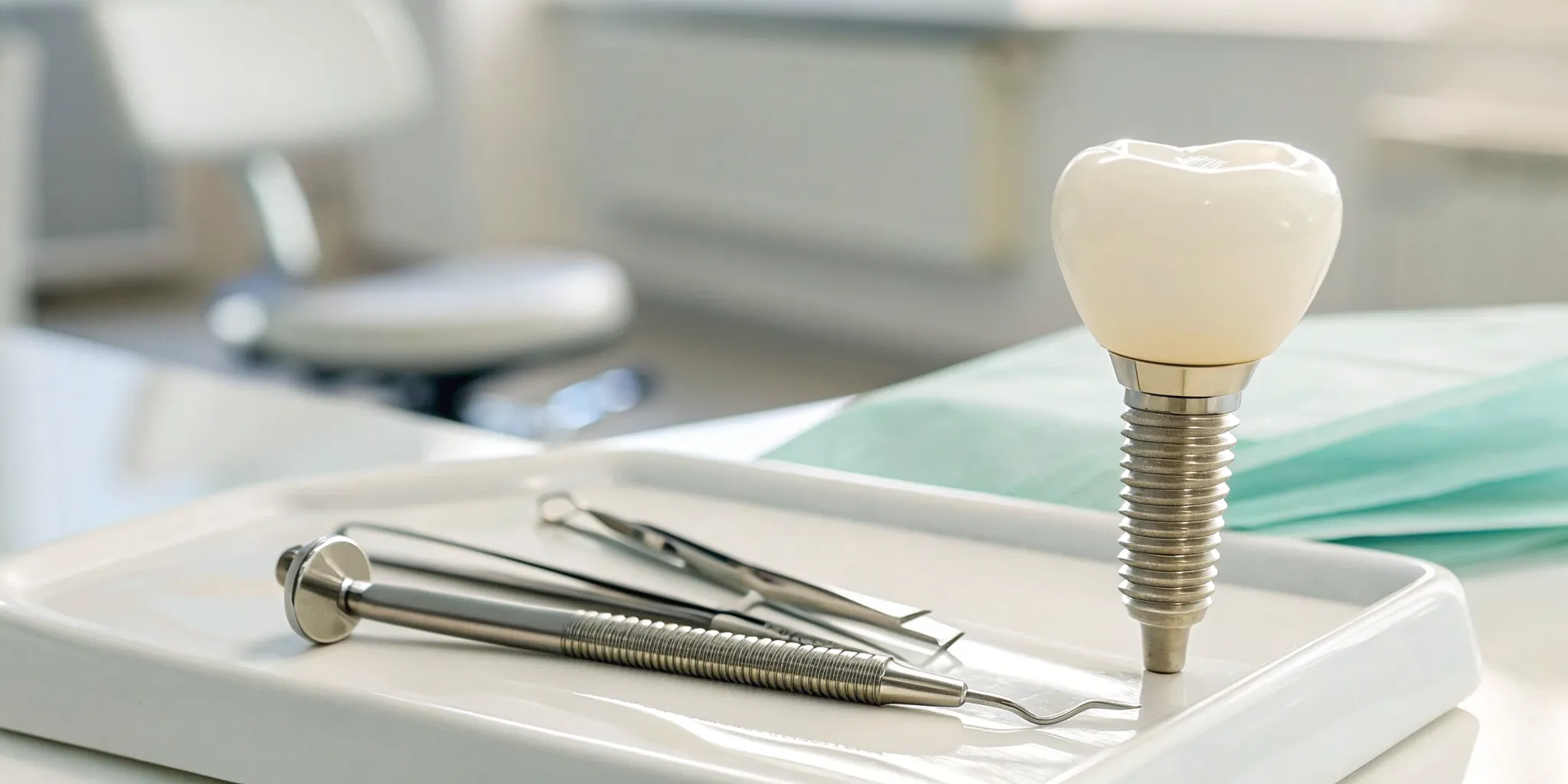
Let’s look at what goes into that number. The implants themselves, which include the titanium post, the connecting abutment, and the final custom crown, generally cost between $3,000 and $7,000 each. The other major component is the bone graft. This is a common and essential type of oral surgery for patients who don't have enough healthy jawbone to support an implant securely. This procedure can add anywhere from $500 to $3,000 or more to your total, depending on the amount of bone needed and the complexity of your case. While these figures give you a solid starting point, the only way to know your exact cost is to come in for a consultation where we can create a personalized treatment plan.
What Factors Affect the Price of Your Dental Implants?
When you start looking into dental implants, you'll quickly find that there's no single price tag. The total cost is unique to you and depends on a few key things. Think of it less like buying a product off the shelf and more like a custom treatment plan designed for your specific smile. Understanding what goes into the final price can help you feel more confident about your investment in your long-term dental health. From your dentist’s experience to your own oral health, several elements come together to determine the final cost. Let's walk through the main factors so you know exactly what to expect.
Your Location and the Dentist's Office
It might seem surprising, but your zip code can influence the cost of dental work. Just like housing or a cup of coffee, prices for dental services can vary geographically. Clinics in major metropolitan areas often have higher overhead costs for things like rent and staff salaries, which can be reflected in their pricing. While practices in smaller towns might charge less, a city like Houston also offers access to highly trained specialists and advanced technology, which is a crucial part of the value you receive.
Your Dentist's Experience and Training
The skill of your dentist is one of the most important factors in the success of your implants. A surgeon with years of specialized training and a long history of placing successful dental implants may have higher fees than a less experienced practitioner. While it can be tempting to shop around for the lowest price, remember that you're paying for expertise. An experienced dentist can often achieve better, more predictable results, which can save you from costly complications down the road. This is an investment in a procedure you want done right the first time.
The Complexity of Your Case
Your personal dental health is the biggest variable. If your jawbone is strong and your gums are healthy, the process is more straightforward. However, many people need a little extra work to prepare for implants. If you have issues like gum disease or significant bone loss, you may need preparatory oral surgery first. This could include a tooth extraction or a bone graft to create a solid foundation for the implant. These necessary procedures will add to the overall timeline and cost, but they are essential for ensuring your implant is stable and lasts for years to come.
A Breakdown of the Costs
When you get a quote for dental implants, it’s not just one single charge. The total price is a combination of several different components, each with its own cost. Understanding this breakdown helps you see exactly what you’re paying for and why the investment is what it is. Think of it like building a house—you have the foundation, the frame, the roof, and the finishing touches. Each part is essential for the final result. Let’s walk through the key pieces that make up the total cost of your treatment.
The Implant Itself
The core of your new tooth is the implant fixture—a small, medical-grade titanium post that acts as the root. This is the piece that is surgically placed into your jawbone. For a single implant, the cost typically falls between $3,000 and $4,800. If you need two dental implants, you can generally expect the cost to range from $6,000 to $10,000. These figures cover the implant posts themselves and the procedure to place them. The price can vary based on the implant brand and the specifics of your surgery, but this gives you a solid baseline.
The Abutment and Crown
Once the implant post has integrated with your jawbone, two more pieces are needed to complete your tooth: the abutment and the crown. The abutment is a small connector piece that attaches to the implant post and sits right at the gumline. It serves as the base for your new crown. Abutments typically cost between $300 and $600 each. The crown is the part that looks and functions like a natural tooth. It’s custom-made to match the color and shape of your surrounding teeth. A high-quality crown can range from $1,000 to $3,000 per tooth.
The Bone Grafting Procedure
A bone graft is a common and crucial step for many patients. If you’ve had a missing tooth for a while, the jawbone in that area may have started to shrink. A bone graft rebuilds this area, creating a strong and stable foundation for the implant. The cost of a dental bone graft can add anywhere from $500 to over $3,000 to your total, depending on how much bone is needed and the type of material used. This procedure is a key part of the oral surgery process and ensures your implant has the best possible chance of long-term success.
Other Surgical and Material Fees
Beyond the main components, there are other fees associated with the implant process that you’ll want to factor in. Your initial consultation, which includes advanced imaging like X-rays or a CT scan, is necessary for planning your treatment and can cost between $450 and $1,000. These scans give your dentist a detailed view of your jawbone and nerve pathways. Additionally, you should account for follow-up visits to monitor your healing, which may have their own separate charges. These fees cover the comprehensive care required to make sure your treatment goes smoothly from start to finish.
How Different Bone Grafts Affect the Cost
The term "bone graft" sounds straightforward, but it’s actually an umbrella term for several different procedures. The type of graft you need depends entirely on your unique situation—specifically, where you’ve lost a tooth and how much the underlying bone has changed. Because each procedure varies in complexity, the one you need will play a big role in the final cost of your dental implants. Think of it like a home renovation: fixing a small crack in the wall is much different from rebuilding a foundation. Let's walk through the most common types of bone grafts so you can get a clearer picture of what your treatment plan might involve.
Socket Preservation
If you know you’ll need an implant right after a tooth is pulled, a socket preservation graft is your best friend. This procedure is done at the same time as the tooth extraction. We place grafting material directly into the empty socket to prevent the surrounding bone from collapsing. It’s a proactive step that helps maintain the jawbone’s natural shape and density. By preserving the socket, you create a much stronger foundation for a future implant, which can often help you avoid more complex and costly grafting procedures down the road. It's one of the simplest and most effective ways to prepare for a smooth implant process.
Sinus Lifts
A sinus lift is a specific type of graft for the upper back jaw. Your maxillary sinuses are air-filled pockets located right above your back teeth. When you lose a tooth in this area, the bone can become very thin, leaving little room to place an implant without poking into the sinus. A sinus lift solves this by gently raising the sinus membrane and packing bone graft material underneath. This creates the necessary height and strength for an implant. Because it’s a more specialized oral surgery procedure, a sinus lift will add to the overall cost of your treatment, but it’s essential for a successful outcome in that part of your mouth.
Ridge Augmentation and Block Grafts
Sometimes, the jawbone loses both height and width after a tooth has been missing for a while, becoming too narrow to support an implant. A ridge augmentation is designed to rebuild this area. For more significant bone loss, we may perform a block graft. This involves taking a small, solid piece of bone from another area—like the back of your jaw or your chin—and securing it to the deficient area with tiny screws. Due to the complexity of harvesting and placing a block of bone, this is one of the more involved and expensive grafting procedures, reserved for cases where substantial rebuilding is necessary.
Types of Grafting Materials
The material used for the graft also influences the final price. There are four main types, and your dentist will recommend the best one for your needs. An autograft uses bone from your own body, which is often preferred for its high success rate but is also the most expensive because it requires a second surgical site. An allograft uses sterilized bone from a human donor. A xenograft uses bone from an animal source (typically a cow), and an alloplast is a synthetic, man-made material. Each has its own benefits and cost structure, which we will discuss with you during your consultation.
How Bone Loss Affects the Final Price
When you lose a tooth, the jawbone that once supported it begins to shrink from lack of use. Think of it like a muscle that isn't being exercised—it gets smaller over time. For a dental implant to be successful, it needs a solid, dense bone to fuse with, a process called osseointegration. If your jawbone isn't substantial enough, the implant won't have the stable base it needs to function like a natural tooth. This is where bone grafting comes in. A bone graft rebuilds the lost bone, creating a strong foundation for your future implant. The extent of your bone loss is one of the biggest factors in your final treatment cost because it determines how simple or complex your grafting procedure will be. A minor touch-up is very different from a complete reconstruction, and the time, materials, and expertise required for each will be reflected in the price. During your consultation, your dentist will use 3D imaging like a CT scan to get a clear picture of your jawbone's health and map out the right approach for you.
Cases with Minor Bone Loss
If you’ve only lost a small amount of bone, you’re in a great position. This often happens if you decide to get an implant shortly after a tooth is extracted. In this scenario, you may only need a simple bone graft to prepare the site. This procedure often involves placing a small amount of grafting material directly into the empty tooth socket to create enough volume for the implant to be secure. In many cases, this can be done at the same time your implant is placed, which helps streamline your treatment timeline and keep costs down. A simple graft is the most straightforward and affordable type of bone grafting, making it an efficient first step toward restoring your smile.
Cases with Significant Bone Loss
For those with more substantial bone loss, a more involved procedure is usually required. This is common if a tooth has been missing for a long time or if advanced gum disease has damaged the jaw. Procedures like a sinus lift (for the upper back jaw) or a ridge augmentation (to rebuild the width and height of the jawbone) are needed to create a stable foundation. These are more complex types of oral surgery that require a higher level of skill and more grafting material. Because of this, the cost is higher, and these procedures often require a dedicated healing period of several months before the implant can be placed.
Multiple Grafts and Longer Timelines
If you need two implants in different areas of your mouth and both spots have experienced bone loss, you may need multiple grafting procedures. The cost can increase with each additional graft site. Furthermore, extensive bone loss might require a block graft, where a small piece of bone is secured in place to rebuild a large defect. These complex procedures require a significant healing period—often several months—before your dental implants can be placed. This longer timeline, involving separate surgical appointments and follow-up visits, naturally contributes to a higher overall cost for your complete treatment plan.
Your Treatment Timeline and Associated Costs
Getting dental implants is a multi-step process, not a single appointment. Understanding the timeline helps you plan for both the procedures and the costs involved. Each stage has its own purpose, from building a strong foundation for your new teeth to placing the final, beautiful crown. Let's walk through what you can expect at every step of the way.
Your First Consultation and X-Rays
Your journey begins with a thorough consultation. This first appointment is all about creating a personalized roadmap for your treatment. We’ll perform an initial check-up, take detailed X-rays, and often a special CT scan to get a complete picture of your jawbone’s health and structure. This comprehensive assessment is essential for planning your surgery with precision. The costs for this initial phase cover the exam and all the necessary imaging, which allows us to determine the best course of action for your specific needs and give you an accurate price estimate.
The Healing Period After Grafting
If a bone graft is necessary to support your implants, the next phase is all about healing. After the grafting procedure, you can expect to feel much better within a week or two, but the real work happens beneath the surface. It can take anywhere from two to eight months for the new bone material to fully integrate with your jaw. This waiting period is crucial—it creates a solid, stable foundation that ensures your dental implants will be successful and last for years to come. Patience here really pays off.
Placing the Implant and Healing
Once your jaw has healed from the graft, it’s time to place the implant. The surgery itself is typically straightforward and can take about an hour per implant, performed right here in our office with anesthesia to keep you comfortable. After the titanium post is placed in your jawbone, another healing period begins. This is when osseointegration occurs—the incredible process where your bone fuses directly with the implant. This creates the unshakeable stability that makes implants feel and function just like natural teeth.
Placing Your Final Crown
This is the final and most exciting step! After your implant has fully healed and bonded with your jawbone, we’ll attach the abutment (a small connector piece) and your custom-made crown. The crown is the visible, tooth-like part of the implant, and it’s designed to match your other teeth perfectly in shape, size, and color. This last part of the process restores your smile’s appearance and gives you back the full function you’ve been missing. It’s the moment when all the previous steps come together to complete your new, confident smile.
Your Payment and Financing Options
Once you have a clear picture of the costs, the next step is figuring out how to approach them. We believe that quality dental care should be accessible, and a healthy, confident smile is an investment worth making. The good news is you have several options to make paying for your treatment feel manageable. Many people feel overwhelmed when they see the final number, but breaking it down makes it much less intimidating.
Our goal at Bellaire Modern Dental is to provide transparent pricing and help you find a financial solution that works for you. We never want cost to be the sole barrier preventing you from getting the care you need. From using your dental insurance benefits to flexible in-house plans and other financial tools, we’re here to help you find a path that fits your budget. We can walk you through each option, explain the pros and cons, and help you with any necessary paperwork. Whether you're considering implants, veneers, or even extensive oral surgery, understanding your payment options upfront provides peace of mind. Let’s explore some of the most common ways our patients cover the cost of their treatments.
Using Dental Insurance
Your dental insurance can be a great starting point for offsetting the cost. It’s important to know that coverage can vary quite a bit. For instance, many plans will help cover a bone graft if it’s deemed medically necessary to prevent further tooth loss, but they may not cover procedures considered purely cosmetic. Most insurance plans don't fully cover the cost of the dental implant itself. The best first step is to call your provider to get the details of your specific plan. Our team is also happy to help you understand and maximize your benefits for all our dental services.
In-House Payment Plans and Financing
To make your treatment more affordable, many dental practices offer in-house payment plans. These plans allow you to break down the total cost into smaller, monthly payments, sometimes with no interest. This flexibility can make a significant difference in fitting your care into your budget without stress. We can also discuss bundled packages that include all the necessary parts of your implant procedure, which simplifies the financial side of things. Don’t hesitate to ask us about the financing options we offer during your consultation for any of our cosmetic dentistry services.
HSAs and Medical Credit Cards
Don’t forget about other financial tools you might have at your disposal. If you have a Health Savings Account (HSA) or Flexible Spending Account (FSA), you can use those pre-tax dollars to pay for your dental implants and bone graft, which can reduce your actual out-of-pocket cost. Beyond that, options like medical credit cards or personal loans can provide another way to finance your treatment. Exploring these avenues gives you more control and helps you proceed with your dental care confidently. We can provide the documentation you need for any of these options.
Why Prices Vary From One Dentist to Another
When you start researching the cost of dental implants, you’ll quickly notice that prices can differ quite a bit from one practice to another. It’s tempting to just look for the lowest number, but the price tag often reflects the quality of care you’ll receive. A higher cost can be tied to a dentist’s advanced training, the quality of the materials used, and the level of personalized care you get from start to finish. Understanding what’s behind the price helps you make a confident choice that’s right for your health and your smile.
The Dentist's Level of Experience
When it comes to a procedure as precise as placing a dental implant, experience is everything. A dentist or oral surgeon who has spent years honing their skills and has advanced training in implantology will naturally charge more than a general dentist who performs them less frequently. This expertise is critical for handling complex cases, ensuring the implant is placed perfectly, and minimizing potential complications. You’re not just paying for the procedure; you’re investing in the skill and judgment of a professional who has successfully handled cases like yours many times before. This experience is a key part of achieving a successful, long-lasting result.
The Technology and Equipment Used
Modern dentistry has come a long way, and the right tools can make a huge difference in the outcome of your treatment. Practices that invest in advanced technology like 3D cone-beam CT scanners for precise imaging or use computer-guided surgical techniques often have higher overhead costs, which can be reflected in their pricing. While this might seem like an unnecessary expense, this technology allows for meticulous planning and incredibly accurate placement of your dental implants. This precision leads to a better fit, faster healing, and a more predictable, successful outcome for you.
Guarantees and Follow-Up Care
The initial quote for your dental implants should cover more than just the surgery itself. A comprehensive treatment plan includes all your follow-up appointments, post-operative checks, and the final placement of your crown. Some practices also stand behind their work with a guarantee. A lower price point might mean that these essential aftercare steps are not included, or that you’ll be charged for them separately. It’s always a good idea to ask what the total fee includes. Quality follow-up care is crucial for the long-term success of your implant and ensures you have the support you need throughout the healing process.
Are Dental Implants a Good Long-Term Value?
When you see the initial estimate for dental implants, it’s easy to get sticker shock. But it's important to look beyond the upfront number and consider what you're really investing in. Dental implants are designed to be a permanent solution for missing teeth, and when you compare their lifetime value to other options, the picture becomes much clearer. They are a true investment in your health, confidence, and quality of life for years to come.
Long-Term Care and Maintenance
Think of a dental implant as a one-time investment in your smile. While options like bridges and dentures often need to be replaced every 5 to 15 years, a well-cared-for dental implant can last for 25 years or even a lifetime. The key is consistent care. Maintaining your implant is as simple as practicing good oral hygiene—brushing, flossing, and keeping up with your regular check-ups. This durability means you won't have to worry about the recurring costs and appointments associated with replacing less permanent solutions. You get a stable, reliable tooth that becomes a natural part of your smile for decades.
Comparing Costs: Implants vs. Other Options
While the initial price tag for implants is higher, it covers a comprehensive, multi-step process. The cost includes the titanium post, the connecting abutment, and the final crown, not to mention the expert oral surgery required for placement. In contrast, dentures and bridges may seem cheaper at first, but their costs add up over time with replacements, relinings, and potential damage to surrounding teeth. Choosing a less permanent option can sometimes lead to other oral health issues, creating a cycle of dental work. With dental implants, you’re paying for a solution that preserves jawbone health and functions just like a natural tooth, making it a smarter financial choice for the long haul.
Related Articles
- Bone Grafting — Bellaire Modern Dental | Houston, TX
- All-on-4® Cost — Bellaire Modern Dental | Houston, TX
- Estimating the Cost of All-on-4 Implants — Bellaire Modern Dental | Houston, TX
- Dental Implants — Bellaire Modern Dental | Houston, TX
- Alternative Solutions to Dental Implants — Bellaire Modern Dental | Houston, TX
Frequently Asked Questions
Why is there such a big price range for dental implants? The wide cost range exists because dental implant treatment isn't a one-size-fits-all product; it's a completely custom medical procedure. The final price depends on your unique oral health. Factors like the amount of healthy jawbone you have, whether you need a simple or complex bone graft, and the specific materials used for your crown all play a role. Think of it as a personalized plan designed to give you the best, most lasting result.
Do I really need a bone graft? What happens if I don't get one? A bone graft is necessary when your jawbone isn't dense or thick enough to securely hold an implant. Trying to place an implant in weak bone is like trying to anchor a post in soft sand—it simply won't be stable. Skipping a necessary bone graft almost guarantees the implant will fail, which would be a waste of your time and investment. The graft creates the solid foundation needed for your implant to last for decades.
What does the total price for a dental implant typically include? A comprehensive quote usually covers every major step of the process. This includes your initial consultation and any 3D imaging, the surgical procedure to place the titanium implant post, the post itself, the small connector piece called an abutment, and the final, custom-made crown that looks like your natural tooth. It's always a good idea to confirm that your estimate includes all these components so there are no surprises.
How can I find out if my insurance will help pay for my implants? The most direct way to find out is to call your dental insurance provider and ask about your specific plan's coverage. Be sure to ask about benefits for both the implant itself and any related procedures, like a bone graft, as they may be covered differently. Our office team is also very experienced in working with insurance and can help you understand and maximize your benefits.
Are dental implants worth the higher upfront cost compared to other options? While the initial investment for implants is higher than for options like bridges or dentures, they offer the best long-term value. Bridges and dentures often need to be replaced every 5 to 15 years, and those costs add up over time. A dental implant, with proper care, can last a lifetime. It's a permanent solution that protects your jawbone and functions just like a natural tooth, making it a smarter investment in your health and confidence for the long haul.