
Dental Aligners 101: How They Work & What to Expect
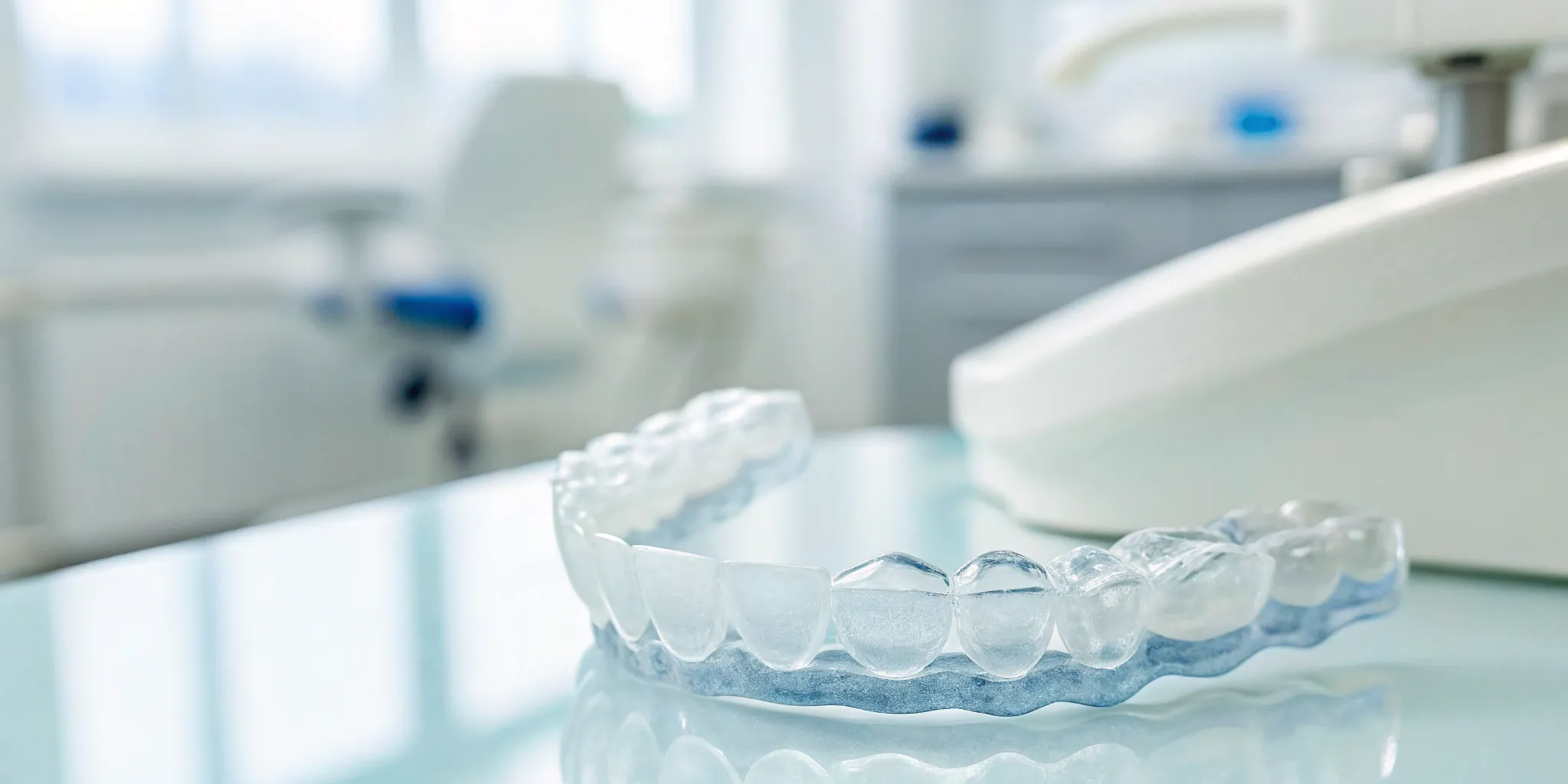
For years, the only path to a straighter smile involved a mouthful of metal. While effective, traditional braces don't always fit into a modern lifestyle. Today, you have a more flexible and discreet option. Dental aligners have changed the game, offering a nearly invisible way to correct everything from minor crowding to more complex bite issues. But how does a series of clear plastic trays actually move your teeth? This guide breaks down the entire process. We’ll explore how this technology works, what daily life with aligners is like, and how they stack up against braces, giving you a clear picture of this popular cosmetic treatment.
Key Takeaways
- Professional Oversight is Non-Negotiable: Your smile is a lifelong investment. Always choose a dentist-led aligner treatment to ensure a comprehensive evaluation, a personalized plan, and safe, predictable results that at-home kits can't guarantee.
- Your Habits Determine Your Success: The key to a great outcome is simple: wear your aligners for 20-22 hours a day and keep your teeth and trays clean. This daily commitment is what moves your teeth safely and effectively toward your final goal.
- A Straighter Smile is Financially Attainable: Don't let cost hold you back. Be sure to ask your dental provider about payment plans and check your insurance policy for orthodontic benefits or use pre-tax HSA/FSA funds to make the treatment fit your budget.
What Are Dental Aligners and How Do They Work?
If you're dreaming of a straighter smile but aren't thrilled about the idea of traditional metal braces, dental aligners might be the perfect solution. Think of them as a series of clear, custom-fitted plastic trays that slip discreetly over your teeth. Unlike the brackets and wires of the past, these aligners are nearly invisible and can be removed whenever you eat, drink, or brush your teeth. This flexibility makes them a popular choice for adults and teens who want to improve their smile without a major lifestyle change.
This modern approach to cosmetic dental care uses advanced 3D imaging to map out your entire treatment from start to finish. Each aligner in your series is precisely calibrated to make slight adjustments to the position of your teeth. As you progress from one tray to the next, your teeth gradually and gently shift into their ideal alignment. It’s a comfortable and convenient way to achieve the smile you’ve always wanted. Best of all, the entire process is managed by your dentist, who monitors your progress to ensure you get safe, effective, and beautiful results.
How Aligners Straighten Your Teeth
The magic behind clear aligners is gentle, consistent pressure. Each tray is shaped slightly differently from the last, guiding your teeth step-by-step toward their final position. Think of it as a carefully planned roadmap for your smile. To help with more complex movements, your dentist might place small, tooth-colored attachments on certain teeth. These act as tiny handles, giving the aligners extra grip to move specific teeth more effectively. It’s a subtle but powerful system that works continuously to create significant change over time.
The Treatment Process, Step by Step
Getting started with dental aligners is a straightforward process. It all begins with a consultation where your dentist will take a 3D scan of your mouth—no messy impressions needed. From there, they’ll map out your entire treatment and can even show you a digital preview of your future smile. Once your custom aligners are ready, you’ll wear each set for 20-22 hours a day, switching to the next one in the series every one to two weeks as directed. After your treatment is complete, you’ll wear a retainer to ensure your beautiful new smile stays put for years to come. It's one of the many dental services designed for modern lifestyles.
Comparing Popular Dental Aligner Brands
When you start looking into clear aligners, you'll quickly see there are two main paths you can take: professional, in-office treatments supervised by a dentist, and direct-to-consumer kits that you manage at home. While at-home options might seem tempting because of their lower price point, it’s so important to understand the differences in care, technology, and results. Your smile is a lifelong investment, and the route you choose can have a major impact on your dental health. Let's break down what you can expect from each option so you can feel confident in your decision.
Invisalign: The Dentist-Led Approach
Invisalign is one of the most well-known names in clear aligners, and for good reason. It’s a dentist-led system, meaning your entire treatment is planned and monitored by a dental professional. This approach is ideal because it starts with a comprehensive evaluation of your teeth, jaw, and bite. Invisalign uses advanced 3D imaging to create a precise treatment plan and can handle a wide range of cases, from simple crowding to more complex bite issues. For some patients, small, tooth-colored attachments are bonded to the teeth to help the aligners make more complex movements—something that can only be done in a dental office. This level of personalization is a key part of effective cosmetic dental care.
At-Home Kits: The DIY Route
You’ve probably seen ads for at-home aligner kits that promise a straighter smile for less money and without dental visits. These companies typically send you an impression kit to use at home or direct you to a scanning location. While the lower cost is appealing, this DIY approach comes with significant risks. Without a dentist directly overseeing your treatment, there’s no one to ensure your teeth and gums are healthy enough for treatment or to make adjustments along the way. At-home aligners are generally only suitable for very minor cosmetic changes. For more complex issues, they can be ineffective or, in some cases, even worsen your bite and overall dental health.
Exploring Other Professional Options
While Invisalign is a leader in the field, it’s not the only professional aligner system available. Other brands also partner with dentists to offer safe and effective treatment. The key takeaway here is the "professional" part. Regardless of the brand name, any reputable aligner treatment involves a dentist or orthodontist from start to finish. They use digital scans and clinical expertise to design a plan that’s right for you, monitor your progress with in-person checkups, and ensure your final result is both beautiful and healthy. Choosing a provider who offers comprehensive dental solutions ensures your orthodontic treatment fits into your overall oral health plan.
How Much Do Dental Aligners Cost?
Let’s talk about one of the biggest questions on everyone’s mind: the price tag. Investing in your smile is a significant decision, and understanding the potential cost is a crucial first step. While there isn't a single fixed price for dental aligners, the total cost depends on a few key variables that are unique to your treatment plan. It’s not like buying a product off a shelf; it’s a personalized medical treatment designed specifically for you, which is why you'll see a range of prices rather than one set number.
The good news is that a straighter, healthier smile is more accessible than many people think. We can break down the average costs, the factors that shape your final price, and how insurance can help, so you can feel confident and prepared as you explore your options for cosmetic dentistry. Think of this as your guide to the financial side of aligner treatment. We’ll cover the typical price range you can expect, what makes one person’s treatment more or less expensive than another’s, and the role your dental insurance can play in making your dream smile a reality. Getting clear on the financials helps remove uncertainty and allows you to focus on the exciting outcome: a smile you love to share.
Breaking Down the Average Price
On average, you can expect the cost of dental aligner treatment to fall somewhere between $3,000 and $7,000. Think of this as a general ballpark figure. If your teeth only need minor adjustments, your treatment will likely be on the lower end of that spectrum. Cases that involve more complex issues, like significant crowding or bite correction, will require a longer treatment time and more sets of aligners, placing them at the higher end of the range. The only way to get an exact number for your specific needs is to come in for a consultation where we can create a personalized treatment plan just for you.
What Factors Influence the Final Cost?
The final price of your aligner treatment isn't arbitrary; it’s based on the specifics of your dental needs. Several key factors determine your total investment. The complexity of your case is the biggest driver—more complex alignment issues require more resources and time to correct. This ties directly into the length of your treatment; a longer plan means more aligner trays and more check-in appointments. Your dentist’s experience and the specific technology they use also play a role in the overall cost. Finally, some treatment plans may require refinements—additional sets of aligners—to achieve that picture-perfect result, which can also influence the final price.
Does Dental Insurance Cover Aligners?
You might be pleasantly surprised to learn that many dental insurance plans do offer coverage for clear aligners. If your plan includes orthodontic benefits, it will likely cover a portion of your aligner treatment, just as it would for traditional braces. Typically, insurance will pay for a certain percentage of the cost or offer a lifetime maximum amount for orthodontic care. The best first step is to review your policy details or call your insurance provider to understand your specific benefits. Our team at Bellaire Modern Dental is also here to help you understand your coverage and ensure you get the most out of your plan.
Can You Finance Your Aligner Treatment?
The cost of dental aligners is a practical concern for almost everyone, but it shouldn't be the one thing that stops you from getting a smile you love. The good news is that you have several options for making the treatment fit your budget. Most dental practices understand that this is a significant investment in your health and confidence, and they provide ways to make it more manageable. By exploring different payment avenues, you can find a path that works for you without having to pay the full amount all at once. Let's walk through the most common ways to finance your aligner treatment.
Exploring Payment Plans
One of the most straightforward ways to manage the cost of aligners is through a payment plan. Many dental offices offer in-house financing or partner with third-party lenders to let you spread the cost of your treatment over several months or even years. This breaks a larger sum into smaller, predictable monthly payments. Don't hesitate to ask your dentist about what flexible payment options are available. Discussing your budget openly can make the entire process feel less stressful and much more affordable, allowing you to start your journey to a straighter smile sooner rather than later.
Using Your HSA or FSA
If you have a Health Savings Account (HSA) or Flexible Spending Account (FSA) through your employer, you’re in luck. You can use these pre-tax dollars to pay for orthodontic treatments, including clear aligners. This is a fantastic way to save money, since you’re paying with funds that haven’t been taxed. Before you even book a consultation, it’s a good idea to check your account balance and understand how much you can contribute. Using these accounts for your cosmetic dentistry needs is a smart financial move that makes achieving your dream smile even more attainable.
Finding Discounts and Special Offers
It never hurts to ask about special offers or promotions. Some dental practices run seasonal discounts or provide deals for new patients. When you go in for your initial consultation, be sure to inquire if there are any current promotions that could apply to your aligner treatment. Sometimes, practices also offer a small discount if you choose to pay for the entire treatment upfront. Taking a few moments to ask these questions can lead to significant savings, making the final cost much easier on your wallet.
Aligners vs. Braces: Which Is Right for You?
Deciding how to straighten your teeth is a big deal. For years, traditional metal braces were the go-to option, but now, clear aligners offer a compelling alternative. Both can give you a fantastic smile, but they work very differently. Understanding the key differences is the first step in figuring out which path is the best fit for your goals and lifestyle. Let's walk through the pros and cons to help you make an informed choice.
The Pros of Clear Aligners
The biggest draw for clear aligners is their appearance—or lack thereof. These custom-made, transparent plastic trays fit snugly over your teeth, making them nearly invisible. This is a huge plus for adults and teens who want to straighten their teeth without the look of metal brackets and wires. Another major advantage is that they’re removable. You can take them out to eat, drink, brush, and floss, so there are no food restrictions and maintaining your oral hygiene is simple. Professional systems are designed to handle a wide range of cosmetic dentistry needs, from minor crowding to more complex spacing issues, offering a discreet and convenient way to achieve your ideal smile.
The Cons: When Braces Might Be Better
While aligners are incredibly effective, they aren't the perfect solution for every single case. For very complex orthodontic issues, like severe bite problems, significant tooth rotations, or large gaps, traditional braces might still be the recommended approach. The constant, gentle force applied by fixed brackets and wires can sometimes achieve certain movements more efficiently than removable aligners. This is why professional oversight is so important. A dentist can properly assess your unique situation and determine if your alignment issues require the strength and control of braces. It’s all about choosing the safest and most effective tool for the job to get you the lasting results you want.
How to Choose the Best Option for Your Smile
So, how do you make the final call? The truth is, you don’t have to make it alone. The best way to know for sure which treatment is right for you is to schedule a professional consultation. During your visit, a dentist can perform a thorough examination, take digital scans of your teeth, and discuss your smile goals. This is your chance to ask all your questions about treatment time, cost, and what to expect from the process. A one-on-one conversation is the only way to get a personalized plan that feels right for you. We can walk you through all your cosmetic dentistry options and help you feel confident in your decision.
What's It Like to Wear Aligners?
Adjusting to life with clear aligners is a lot easier than you might think. While it does require building a few new habits, the process is designed to fit seamlessly into your daily life. At first, you’ll be very aware of the aligners in your mouth, and you might even speak with a slight lisp for a day or two. This is completely normal, and most people adapt very quickly. The biggest change is simply remembering to wear them consistently and to take them out for meals.
Unlike traditional braces, clear aligners give you the freedom to enjoy your life with minimal interruptions. They are virtually invisible, so you can feel confident smiling in photos and meetings. And because they’re removable, no food is off-limits—you can still enjoy popcorn, apples, and all your favorite snacks without worry. The key to success is commitment. Your treatment is a partnership between you and your dentist, and following their guidance ensures you get the beautiful, healthy results you’re looking for. As a popular cosmetic dentistry solution, aligners offer a discreet path to a straighter smile, but it’s the simple, daily routines that make it all happen. Let’s break down what you can expect day-to-day.
Your Daily Aligner Routine
Your new daily routine with aligners is straightforward. The most important rule is to wear your aligners for 20 to 22 hours every day. This consistent pressure is what gently moves your teeth into their correct positions. You’ll only take them out to eat, drink anything other than water, and clean your teeth.
You’ll wear each set of aligners for about two weeks before switching to the next one in your series. Each new set will feel a little snug at first, which is a good sign—it means your teeth are moving as planned. Sticking to this schedule is crucial for keeping your treatment on track. Think of it as a simple, repeatable habit that gets you one step closer to your goal with every new tray.
How to Keep Your Teeth and Aligners Clean
Excellent oral hygiene is essential during your aligner treatment. Because the aligners fit snugly over your teeth, they can trap food particles and bacteria, which can lead to cavities if you’re not careful. The rule is simple: every time you eat, you must brush your teeth before putting your aligners back in.
You’ll also need to clean your aligners daily. The best way to do this is to gently brush them with a soft-bristled toothbrush and a bit of clear, unscented soap, then rinse them thoroughly with cool water. Avoid using hot water, as it can warp the plastic. Maintaining this clean routine is a core part of your overall general dentistry care and will keep your smile healthy throughout the straightening process.
Tips for Eating, Drinking, and Staying Comfortable
One of the best parts of using clear aligners is the freedom to eat and drink whatever you like. Since you remove them for every meal and snack, there are no food restrictions. Just remember to pop them out before you eat and to only drink plain water while they’re in. Other drinks, like coffee, tea, or soda, can stain the aligners and your teeth.
When you switch to a new set of trays, you might feel some pressure or mild discomfort for the first day or so. This is a normal part of the process and a sign that the aligners are working. This feeling typically fades quickly. Throughout your treatment, having a dentist monitor your progress is key to ensuring everything is moving safely and effectively, avoiding the risks associated with unsupervised, at-home kits.
How to Choose the Right Aligner Provider
Picking the right clear aligner brand is only half the battle—choosing the right provider is just as crucial for getting the smile you want. This is a partnership, and you need a dental team you can trust to guide you through the process safely and effectively. A great provider will create a personalized treatment plan, monitor your progress, and be there to handle any bumps along the way. Think of them as your co-pilot on this journey. To help you find the perfect fit, let’s walk through what to look for, what to ask, and what to avoid.
Questions to Ask at Your Consultation
Your consultation is your chance to interview potential providers and make sure you feel comfortable and confident in their care. Don’t be shy about asking questions—a good dentist will be happy to answer them.
To get started, here are a few key things to ask:
- What is your experience with cases similar to mine? Can I see some before-and-after photos?
- What does the full treatment plan involve, and how long will it take?
- How often will I need to come in for check-ups?
- What happens if my teeth aren’t moving as expected?
- Can you give me a clear price estimate for the entire treatment?
- What payment plans or financing options do you offer to make this more affordable?
Red Flags to Avoid
While the convenience of at-home aligner kits can be tempting, they often lack the professional oversight needed for a safe outcome. Your smile is too important to risk. Be wary of any provider or company that doesn't require a comprehensive in-person exam, including X-rays and a full dental health check. If you have underlying issues like cavities or gum disease, starting aligner treatment could cause serious harm.
Another red flag is a provider who seems to rush the process or pressures you into making a decision on the spot. A trustworthy cosmetic dentistry professional will take the time to explain your options thoroughly and ensure you’re a good candidate for treatment. Remember, aligners are a medical procedure, not just a cosmetic product.
How to Prepare for a Successful Treatment
Once you’ve found a provider you trust, a little preparation can set you up for a smooth and successful experience. First, make sure your dental health is in top shape. Before you begin straightening your teeth, you’ll need to take care of any existing issues, like fillings or cleanings. Your dentist can help you create a plan to get your smile ready.
Next, get your finances in order. The best way to find out your exact cost is to schedule a consultation, but it’s also smart to check with your insurance provider about coverage. You can also pay for aligners using funds from an FSA or HSA. Finally, get mentally prepared to commit to the process. Wearing your aligners as directed is the key to achieving those amazing results.
Related Articles
- Clear Aligners — Bellaire Modern Dental | Houston, TX
- Let’s get it White: A Smart Guide to Teeth Whitening — Bellaire Modern Dental | Houston, TX
- Teeth Whitening — Bellaire Modern Dental | Houston, TX
- Porcelain Veneers — Bellaire Modern Dental | Houston, TX
- Is This Going to Hurt?: Why Dental Procedures Cost So Much — Bellaire Modern Dental | Houston, TX
Frequently Asked Questions
How long does dental aligner treatment usually take? The timeline for your treatment is completely unique to you. For simpler cases involving minor adjustments, you might be finished in as little as six months. More complex alignment and bite issues can take around 12 to 18 months, or sometimes a bit longer. The only way to get a precise timeline is during your consultation, where your dentist will map out your entire smile journey from start to finish.
Will wearing aligners be painful? You can expect to feel some pressure or mild soreness for the first day or two after switching to a new set of aligners. This is a good sign—it means your teeth are gently moving as planned. The feeling is more like a dull ache than sharp pain, and it typically fades quickly as your teeth adjust. Most people find it very manageable and much more comfortable than the adjustments associated with traditional braces.
What happens after I'm done with my last aligner tray? Once your teeth are in their final, beautiful positions, the next step is to keep them there. Your dentist will provide you with a custom retainer that looks very similar to your aligners. Teeth have a natural tendency to shift back to their old spots, so wearing your retainer as prescribed—usually just at night while you sleep—is essential for protecting your investment and maintaining your new smile for life.
Can I still get aligners if I have crowns or other dental work? Yes, it's often possible to get clear aligners even if you have crowns, bridges, or veneers. However, this is a situation that absolutely requires a professional evaluation. Your dentist will need to carefully examine your existing dental work to ensure it's stable and that your teeth and roots are healthy enough for treatment. This is one of the key reasons why a comprehensive, in-office consultation is so important for a safe and successful outcome.
Is there an age limit for getting clear aligners? There is no upper age limit for achieving a straighter smile with clear aligners. Many adults choose this treatment because it fits so well into a professional and social lifestyle. As long as your teeth and gums are healthy, you can be a great candidate. It's never too late to invest in your confidence and oral health.