
How Clear Aligners Work: Your Ultimate Guide
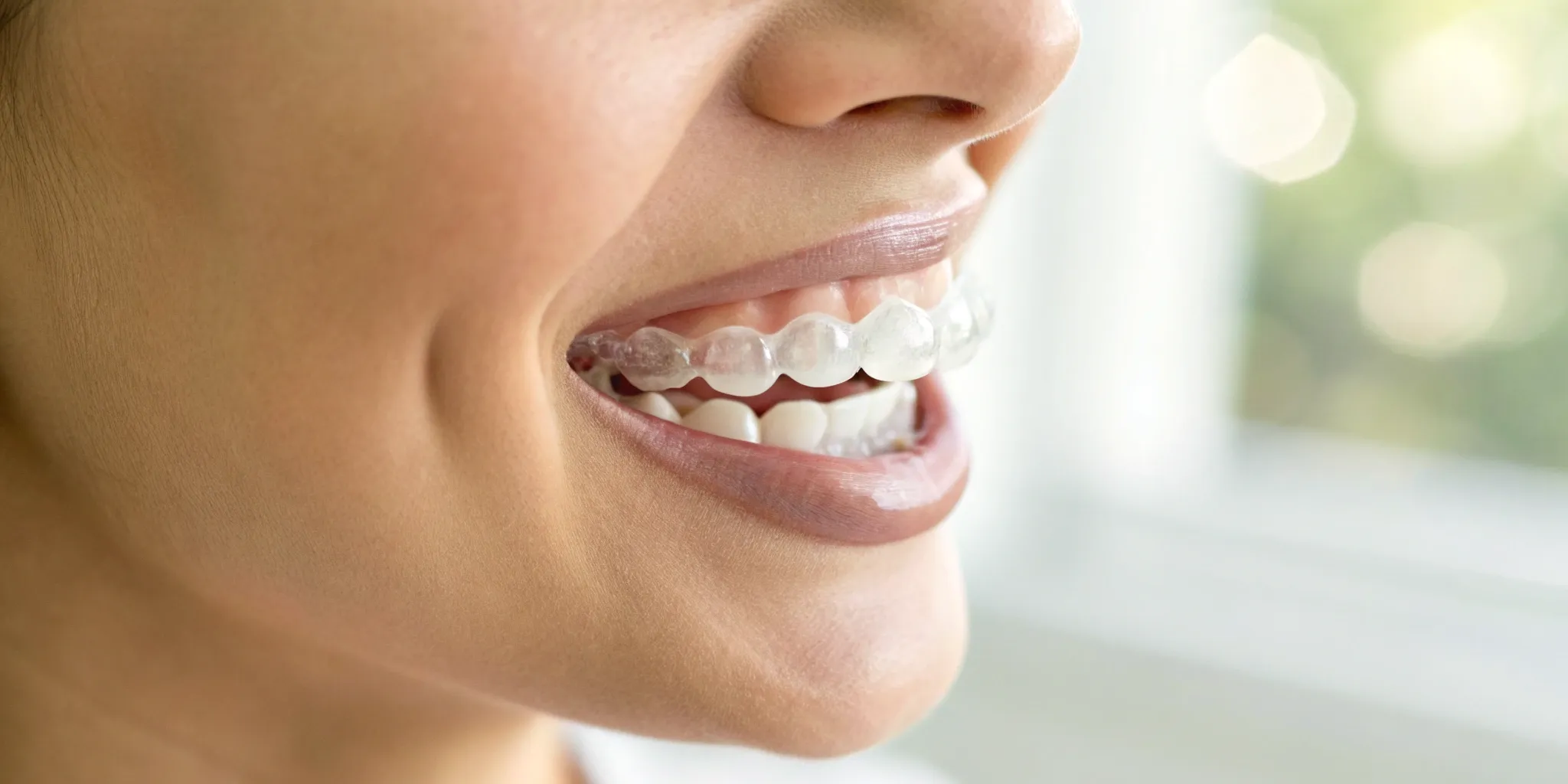
The biggest appeal of clear aligners is their near-invisibility and the freedom to remove them for meals. This flexibility is a huge advantage, but it also comes with a major responsibility. Unlike fixed braces that are working 24/7, the success of your treatment is entirely in your hands. The way clear aligners work is by applying continuous, gentle force, and that can only happen if you wear them for the recommended 20 to 22 hours a day. This requires discipline and commitment. Here, we’ll give you a realistic look at the pros and cons, helping you decide if this treatment fits your lifestyle.
Key Takeaways
- A Modern Approach to Straightening Teeth: Clear aligners use a series of custom, transparent trays to gradually shift your teeth, offering a discreet and effective way to correct common issues like gaps, crowding, and minor bite problems.
- Your Consistency is the Key to Success: Since aligners are removable, the results are entirely up to you. Wearing them for the required 20-22 hours daily is the single most important factor in keeping your treatment on track and achieving your desired smile.
- Protect Your Investment with a Retainer: Finishing your aligner series is a huge milestone, but the work isn't over. Wearing your retainer as directed is essential to prevent your teeth from shifting back and to ensure your new smile lasts a lifetime.
Clear Aligners Explained: How They Straighten Your Smile
If you've been thinking about straightening your teeth but aren't thrilled with the idea of traditional metal braces, you're not alone. Clear aligners have become a popular choice for achieving a beautiful smile more discreetly. But how do these seemingly simple plastic trays actually work their magic? It’s a fascinating blend of advanced technology and careful planning. Let's break down what clear aligners are, how they move your teeth, and how they stack up against the braces you might be more familiar with.
The Technology Behind Your New Smile
Think of clear aligners as a series of custom-fit, transparent trays that gently guide your teeth into their ideal positions. The process begins with a precise digital scan of your mouth—no messy impressions needed. Using specialized software, we map out your entire treatment plan, showing you how your teeth will shift week by week until they reach their final destination. This digital roadmap is then used to create your unique set of aligners. You’ll wear each set for about one to two weeks before moving on to the next, with each tray applying gentle, consistent pressure to create your new, straighter smile.
Clear Aligners vs. Traditional Braces: What's the Difference?
The most obvious difference is appearance—clear aligners are nearly invisible, offering a discreet way to straighten your teeth. But the advantages go beyond looks. Unlike braces, aligners are completely removable. This means you can take them out to eat your favorite foods, and brushing and flossing are much easier, which is great for your overall oral health. While aligners are a fantastic option for many people seeking cosmetic dentistry solutions, they aren't for everyone. For very complex cases, such as severe bite issues or significant tooth rotations, traditional braces may still be the most effective tool for the job.
Can Clear Aligners Fix Your Smile? Common Issues They Treat
Clear aligners have become a go-to for straightening teeth, and for good reason. They’re discreet, comfortable, and incredibly effective. But what exactly can they fix? You might be surprised by the range of dental issues these custom trays can address. From minor tweaks to more noticeable adjustments, clear aligners are a powerful tool in modern cosmetic dentistry. Let’s look at the common alignment problems they treat and where they truly shine.
Fixing Gaps and Crowded Teeth
Two of the most common reasons people want to straighten their teeth are to fix gaps or relieve crowding—and clear aligners excel at both. If you have spaces between your teeth, the aligners apply gentle, steady pressure to gradually close those gaps for a more uniform smile. For crowded teeth, the treatment works by carefully expanding your arch or moving teeth to create the necessary space for everything to fit properly. This not only improves the look of your smile but also makes it easier to clean your teeth, which is a big win for your overall oral health. For many mild to moderate cases of gapping or crowding, clear aligners are an ideal solution.
Correcting Overbites, Underbites, and More
Beyond just straightening teeth, clear aligners can also correct certain bite issues. Problems like overbites (where the top teeth overlap the bottom teeth too much), underbites (the reverse), and even crossbites can often be treated effectively. Depending on your specific needs, your treatment plan might include small, tooth-colored attachments bonded to your teeth or the use of tiny elastics. These additions give the aligners extra grip and leverage to guide your jaw and teeth into the correct alignment. While severe bite problems may require a different approach, clear aligners are a fantastic option for correcting many mild to moderate bite misalignments. You can explore all our dental services to see how we create comprehensive treatment plans.
Understanding the Limits: When Braces Are a Better Fit
Clear aligners are incredibly versatile, but they do have their limits. It’s important to have realistic expectations and understand when traditional braces might be the better tool for the job. Aligners may not be the best choice for very complex or severe issues. This includes cases with extremely crooked or rotated teeth, very large gaps, or teeth that need to be moved vertically. Traditional braces provide a stronger, more direct force that is sometimes necessary for these significant movements. The goal is always to choose the treatment that will give you the best, most stable result. A thorough consultation is the only way to know for sure which path is right for your unique smile and dental health goals.
How Do Clear Aligners Actually Move Your Teeth?
It might seem like magic, but the way clear aligners straighten your teeth is based on a precise, carefully planned process. Think of it as a high-tech roadmap for your smile. Each step is designed to gently guide your teeth into their ideal positions using advanced technology and a personalized treatment plan created just for you. It’s a gradual journey, not an overnight fix, which is what makes it both effective and comfortable.
A Step-by-Step Look at How Your Teeth Shift
Clear aligners work by applying gentle, consistent pressure to your teeth. You’ll receive a series of custom-made, clear plastic trays, and each one is slightly different from the last. Every tray is precisely shaped to move specific teeth just a fraction of a millimeter at a time. You’ll wear each set for about one to two weeks before switching to the next one in the series. This step-by-step progression is what gradually shifts your teeth into alignment. It’s the same fundamental principle used by traditional braces, but with a modern approach that makes it a popular choice for cosmetic dentistry.
Your Personalized Digital Treatment Plan
Your clear aligner journey begins with a detailed, 3D digital scan of your mouth. This creates a perfect digital replica of your teeth, which we use to design your entire treatment from start to finish. Using specialized software, we can map out the exact movement of each tooth and even show you a preview of your final results before you even begin. This digital plan is then used to create your unique series of aligners. Throughout your treatment, you’ll have regular check-ins with us to monitor your progress and make sure everything is on track, ensuring you get the best possible dental solutions for your smile.
Your Clear Aligner Journey: What to Expect
Starting your clear aligner journey is an exciting step toward the smile you’ve always wanted. The process is a partnership between you and your dental team, designed to be as smooth and predictable as possible. From the initial scan to your final retainer, each phase is carefully planned to deliver incredible results. Think of it as a roadmap for your smile transformation. We’ll handle the technical details, and you’ll watch your smile gradually shift into place. Let’s walk through what you can expect, step by step, so you feel confident and prepared from day one.
Step 1: Your Consultation and Digital Scan
Your journey begins with an initial consultation. This is where we get to know you and your smile goals. Instead of messy, uncomfortable impressions, we use a specialized scanner to create a highly accurate 3D digital image of your teeth. This scan is quick, comfortable, and gives us a precise model of your mouth. It’s a crucial first step in our cosmetic dentistry process, allowing us to map out a personalized treatment plan that’s tailored specifically to your dental needs. You’ll even get to see a preview of what your new smile could look like before you even start.
Step 2: Designing Your Custom Aligners
Once your digital scan is complete, the real design work begins. Your dentist will analyze the 3D model, along with any necessary X-rays, to meticulously plan every single tooth movement. This detailed plan becomes the blueprint for your custom aligners. Each tray is designed to make slight adjustments, gradually shifting your teeth into their ideal positions over time. You’ll receive a series of aligners, and you will typically wear each set for one to two weeks before moving on to the next one in the sequence. This ensures the process is both effective and comfortable.
Step 3: Wearing Your Aligners and Progress Check-ins
This is where you take the lead! For your aligners to work their magic, you’ll need to wear them for 20 to 22 hours every day, only taking them out to eat, drink, brush, and floss. Consistency is the key to achieving the best results on schedule. You won’t be on this journey alone, though. We’ll schedule regular check-ins to monitor your progress and make sure everything is moving as planned. These appointments are a great time to ask questions and ensure your treatment is on track. We offer a full spectrum of dental services to support your oral health throughout the entire process.
How Long Does Clear Aligner Treatment Take?
One of the first questions everyone asks is, "How long will this take?" The answer is that it's completely unique to you and your smile. Generally, clear aligner treatment can take anywhere from six months for minor adjustments to around two years for more complex cases. It all depends on your specific dental needs and the goals we set for your smile. For some, it's about closing a small gap, while for others, it might involve correcting a more complicated bite issue. This variability is why a personal consultation is so important.
The good news is that you won’t have to wait long to see progress. Many people start noticing positive changes within the first few months of treatment, which is a great motivator to keep going. Your specific timeline will be mapped out in a personalized digital treatment plan, giving you a clear preview of your journey and the final result. This plan ensures you know exactly what to expect from day one. The key to staying on that timeline is consistency, which brings us to the most important rule of wearing clear aligners.
The Golden Rule: Why 22 Hours a Day Is Key
If there’s one secret to success with clear aligners, it’s this: you need to wear them for 20 to 22 hours every day. Think of it as a full-time job for your teeth. The aligners work by applying gentle, continuous pressure to guide your teeth into their new positions. If you take them out too often or for too long, that pressure stops, and your teeth can start to shift back.
This consistent wear time is non-negotiable for keeping your treatment on schedule. Forgetting to put them back in after a meal or leaving them out overnight can delay your progress and extend your overall treatment time. Sticking to the 22-hour rule ensures each set of aligners can do its job effectively before you move on to the next.
What Affects Your Treatment Timeline?
Besides your daily wear time, a few other factors influence how long your treatment will take. The most significant is the complexity of your case. Simple issues like minor crowding or small gaps can often be corrected relatively quickly. However, more complex bite issues or significant straightening will naturally require more time to achieve the best results.
Your personal compliance is the factor you have the most control over. Following your dentist’s instructions, wearing your aligners as prescribed, and showing up for your check-in appointments are all crucial for staying on track. During your consultation, we’ll discuss your specific cosmetic goals and determine if clear aligners are the most effective path for you. For some severe cases, another orthodontic solution might be a better fit.
Do Clear Aligners Work as Well as Braces?
This is one of the biggest questions people have when considering orthodontic treatment. You want a straighter smile, but you also want to choose the most effective method. The short answer is: yes, clear aligners can work just as well as braces, but it really depends on your specific dental situation. Think of it this way: both aligners and braces are designed to get you to the same destination—a beautifully aligned smile—but they take different routes. One isn't universally "better" than the other; the best choice is the one that's right for your unique starting point and dental health needs.
For years, traditional braces were the only option, and they have a long, proven track record of correcting even the most complex alignment issues. They give your dentist precise control over each tooth's movement. Clear aligners are a newer technology, but they've quickly proven to be a powerful and effective alternative for a wide range of cases. They use a series of custom-made, removable trays to gently guide your teeth into place over time. The key is understanding which "route" is best suited for your journey. We'll explore how they compare for common dental issues and what limitations you should be aware of.
Comparing Results for Common Dental Issues
For many common alignment issues, clear aligners are a fantastic option. If you're dealing with mild to moderate crowding, small gaps between your teeth, or certain types of overbites and underbites, clear aligner therapy can achieve results that are very comparable to traditional braces. The technology is designed to apply gentle, consistent pressure to shift your teeth into their ideal positions. Many people successfully use aligners to correct the exact same problems that braces are known for fixing. A professional evaluation is the best way to see if your specific cosmetic dentistry goals can be met with this modern approach.
Success Rates and Knowing the Limitations
Clear aligners have a high success rate, but that success comes with a big asterisk: patient compliance. Because they are removable, the responsibility is on you to wear them for the recommended 20-22 hours a day. Their overall effectiveness is impressive when worn correctly for the right cases. However, it's important to understand their limits. For more complex orthodontic problems—like severely rotated teeth, large gaps, or issues requiring significant vertical movement—traditional braces often have the edge. Braces provide the constant, powerful force needed for these major adjustments. This is why a thorough consultation is so crucial to creating a treatment plan that will actually work for you.
The Pros and Cons of Clear Aligners
Clear aligners are an incredible tool for achieving the smile you want, but like any treatment, they come with their own set of benefits and responsibilities. Understanding both sides helps you make the best decision for your lifestyle and dental goals. It’s all about finding the right fit for you, and weighing the advantages against the commitment required is the first step. Let's look at what makes clear aligners a popular choice and what you need to know before starting your journey.
Pros: A Clear Advantage in Comfort and Appearance
The most obvious benefit of clear aligners is how they look—or rather, how they don't look. Made from smooth, clear plastic, they are custom-fitted to your teeth and are nearly invisible. This makes them a fantastic option if you want to straighten your teeth without the look of traditional metal braces. Beyond aesthetics, they’re also comfortable. There are no wires or brackets to irritate your cheeks and gums. Another major plus is that they're removable. You can take them out to eat your favorite foods and to brush and floss, making it much easier to maintain your oral hygiene throughout your treatment. This modern approach to cosmetic dentistry offers an effective path to a straighter smile with minimal disruption to your daily life.
Cons: The Responsibility Is All Yours
The biggest advantage of clear aligners—their removability—is also their biggest challenge. Their success depends entirely on your commitment. For the treatment to work effectively, you must wear your aligners for 20 to 22 hours every single day. If you frequently forget to put them back in or decide to leave them out for extended periods, your teeth won't move as planned. This can delay your treatment timeline or even compromise your final results. It takes discipline to stick to the plan, especially when you can technically take them out whenever you want. Being honest with yourself about your habits and daily routine is key before you decide if this is the right orthodontic solution for you.
Are Clear Aligners Right for You?
Deciding to straighten your teeth is a big step, and the next one is figuring out the best way to do it. Clear aligners are an amazing option for many people, but they aren’t a one-size-fits-all solution. Your unique smile, dental needs, and even your lifestyle play a huge role in determining whether aligners or traditional braces will give you the best results.
Thinking through these factors will help you and your dentist make the right call. Let’s break down what makes someone a great candidate for clear aligners and when traditional braces might be the better choice for your smile journey.
Who Is an Ideal Candidate?
Clear aligners are a fantastic choice for adults and teens looking to correct mild to moderate dental issues. If you're dealing with common concerns like small gaps between your teeth, crowded teeth, an overbite, or an underbite, you're likely a great candidate. These custom-fit plastic trays are designed to gently and effectively shift your teeth into their ideal positions over time, with a success rate of over 75% for these types of cases.
The biggest factor for success, however, is you. To work their magic, aligners need to be worn for 20 to 22 hours every day. This means the ideal candidate is someone who is disciplined and committed to the process. If you’re ready to make that commitment, you’re on the right track for a successful cosmetic dentistry transformation.
Signs That Braces Might Be a Better Option
While clear aligners are incredibly effective, they do have their limits. For more complex or severe dental problems, traditional braces might be the more effective tool. If you have extremely crooked teeth, significant gaps, or teeth that need to be rotated substantially, the controlled force of brackets and wires can often achieve results that aligners can't. Braces provide the anchor and power needed for more dramatic movements.
Your daily habits also matter. Since aligners are removable, the responsibility to wear them is entirely on you. If you think you might forget to put them back in after meals or feel tempted to leave them out for long periods, braces could be a better fit. They are a fixed appliance, which means they are working to straighten your teeth 24/7 without you having to think about it. We can explore all your dental treatment options to find the perfect match for your smile and lifestyle.
Get the Best Results From Your Clear Aligners
Your clear aligners are a powerful tool for straightening your smile, but the final results really depend on you. Think of it as a partnership between you and your dentist. Following a few simple guidelines will ensure your treatment stays on track and you get the beautiful, straight smile you’re working toward. Here’s how to make your clear aligner journey a success from start to finish.
Tips for Caring for Your Aligners (and Your Teeth)
First and foremost, wear your aligners for 20 to 22 hours every day. This consistent pressure is what gently moves your teeth into their new positions, so taking them out too often can slow down your progress. Whenever you do remove them to eat or drink, make sure you practice good oral hygiene before popping them back in. Always brush your teeth thoroughly to prevent food particles and plaque from getting trapped against your enamel.
Keep your aligners clean, too. Rinse them with lukewarm water and give them a gentle brushing each time you take them out. This keeps them fresh and invisible. And remember, only drink plain water while wearing them—other drinks can cause stains or lead to cavities. Finally, always store your aligners in their protective case when they’re not in your mouth. It’s an easy habit that will save you from accidentally losing or damaging them.
Life After Aligners: The Importance of Your Retainer
Once your treatment is complete and you have your new smile, the journey isn’t quite over. To protect your investment, you’ll need to wear a retainer. This final step is crucial because it prevents your teeth from shifting back to their original positions. Your dentist will create a custom retainer for you, which might be a clear, aligner-style retainer or another type, designed to hold your teeth firmly in place.
You’ll receive specific instructions on how often to wear it—usually full-time at first, then transitioning to just at night. Think of your retainer as the key to maintaining your beautiful new smile for a lifetime. Consistent wear is the best way to ensure your cosmetic dentistry results last for years to come.
Start Your Clear Aligner Journey with Bellaire Modern Dental
Taking the first step toward a straighter smile is exciting, and you don’t have to do it alone. At Bellaire Modern Dental, we’re here to guide you through the entire process, making sure you feel confident and informed from your first consultation to your final reveal. We believe that getting the smile you want should fit your lifestyle, which is why we’re proud to offer clear aligners as a modern, effective solution.
Your journey with us begins with a simple conversation. During your consultation at our Houston office, we’ll sit down with you to discuss your goals and answer all your questions. We use advanced digital scanning technology to get a precise 3D image of your teeth—no messy, uncomfortable impressions needed. This detailed scan allows us to assess your unique needs and determine if clear aligners are the best fit for you. It’s a key part of our cosmetic dentistry services, designed to give you a clear picture of your potential results.
Based on your digital scan, our team will create a fully customized treatment plan that maps out the gradual movement of your teeth. You’ll even get to see a preview of how your smile is expected to look at the end of your treatment. The American Association of Orthodontists highlights that this digital planning is what allows for the creation of a series of aligners, each one designed to make a small, specific adjustment. We’ll walk you through every stage so you know exactly what to expect.
If you’re ready to explore what clear aligners can do for you, we invite you to schedule a consultation with our team. Let’s work together to create a personalized plan that helps you achieve a smile you’ll love to share.
Related Articles
- Clear Aligners — Bellaire Modern Dental | Houston, TX
- Let’s get it White: A Smart Guide to Teeth Whitening — Bellaire Modern Dental | Houston, TX
- Teeth Whitening — Bellaire Modern Dental | Houston, TX
- Porcelain Veneers — Bellaire Modern Dental | Houston, TX
- All-on-4® Dental Implants — Bellaire Modern Dental | Houston, TX
Frequently Asked Questions
Do clear aligners hurt? You can expect to feel some pressure or mild discomfort for the first few days after switching to a new set of aligners. This is a good sign—it means your teeth are moving as planned! The feeling is typically more of a dull ache than a sharp pain, and it's very different from the irritation that can come from the brackets and wires of traditional braces. Most people find it's easily manageable and fades quickly.
Will wearing aligners affect how I talk? When you first start wearing your aligners, you might notice a slight lisp as your tongue gets used to sharing space with the trays. This is completely normal and temporary for almost everyone. The more you talk with them in, the faster your speech will return to normal, usually within a few days. It’s a small adjustment period at the very beginning of your journey.
What happens if I lose or break one of my aligners? The first thing you should do is give your dentist a call right away. Don't try to skip ahead to the next set without professional guidance, as this could disrupt your treatment plan. Your dentist will give you specific instructions based on where you are in your treatment. They might have you wear your previous set of aligners for a short time or, if you're close to your next switch, they may tell you it's okay to move to the next set a little early.
Can I really eat and drink whatever I want? Yes, you can! This is one of the best parts about clear aligners. Because they are removable, you don't have any food restrictions. You just need to take your aligners out before you eat or drink anything other than plain water. It's very important to brush your teeth thoroughly before putting your aligners back in to prevent food particles from getting trapped and causing cavities.
Is the treatment really over once I finish my last tray? Finishing your last aligner tray means the active phase of moving your teeth is complete, which is definitely something to celebrate! However, the journey isn't quite over. The next step is the retention phase, which is crucial for keeping your new smile perfectly straight. You'll need to wear a retainer as instructed by your dentist to prevent your teeth from gradually shifting back to their old positions. Think of it as protecting your investment for a lifetime.