One-Day Dental Implants vs. Traditional: The Key Facts
The biggest question people have about dental implants often comes down to time. How long will it take to get my new smile? The answer depends on whether you choose an immediate or a phased approach. The debate over one day dental implants vs traditional implants is really a conversation about speed versus process. Same-day implants offer the incredible convenience of walking out with a new tooth in a single appointment. Traditional implants, however, prioritize a gradual healing period to build the strongest possible foundation. Let’s explore what each timeline really means for your recovery, stability, and the final, lasting result.
Key Takeaways
- Choose based on your priorities: One-day implants offer immediate cosmetic results with a temporary tooth, while traditional implants prioritize maximum stability by allowing the jawbone to fully heal before adding the final crown.
- Your jawbone health is the deciding factor: Strong, dense bone is necessary for the immediate placement of a one-day implant, whereas the traditional method is a reliable option for nearly everyone, even those needing bone grafts.
- Understand the complete timeline for success: Both implant types require a three to six month healing period for the post to fuse with your bone; the "tooth" you get with a one-day implant is a temporary placeholder, not the final permanent restoration.
One-Day vs. Traditional Implants: What's the Difference?
When you’re looking to replace a missing tooth, dental implants are a fantastic, long-lasting solution. But you might have heard about different types, specifically "one-day" and "traditional" implants. While both aim to restore your smile, they follow very different timelines and procedures. Understanding these differences is the first step in figuring out which path is right for you. Let's look at how each one works, from the initial placement to the final result. This will help you have a more informed conversation with your dentist about your specific needs and goals for your smile.
What Are One-Day Dental Implants?
One-day dental implants, sometimes called same-day or immediate-load implants, offer a major advantage: speed. As the name suggests, you can walk out of the dental office with a new, functional tooth in just a single appointment. During the procedure, the implant post is placed, and a temporary, but fully functional, crown is attached right away. This means you don't have to deal with a gap in your smile while you heal. This temporary tooth looks and feels natural, and it will be replaced with a permanent, custom-made crown a few months later once the implant has fully settled.
What Are Traditional Dental Implants?
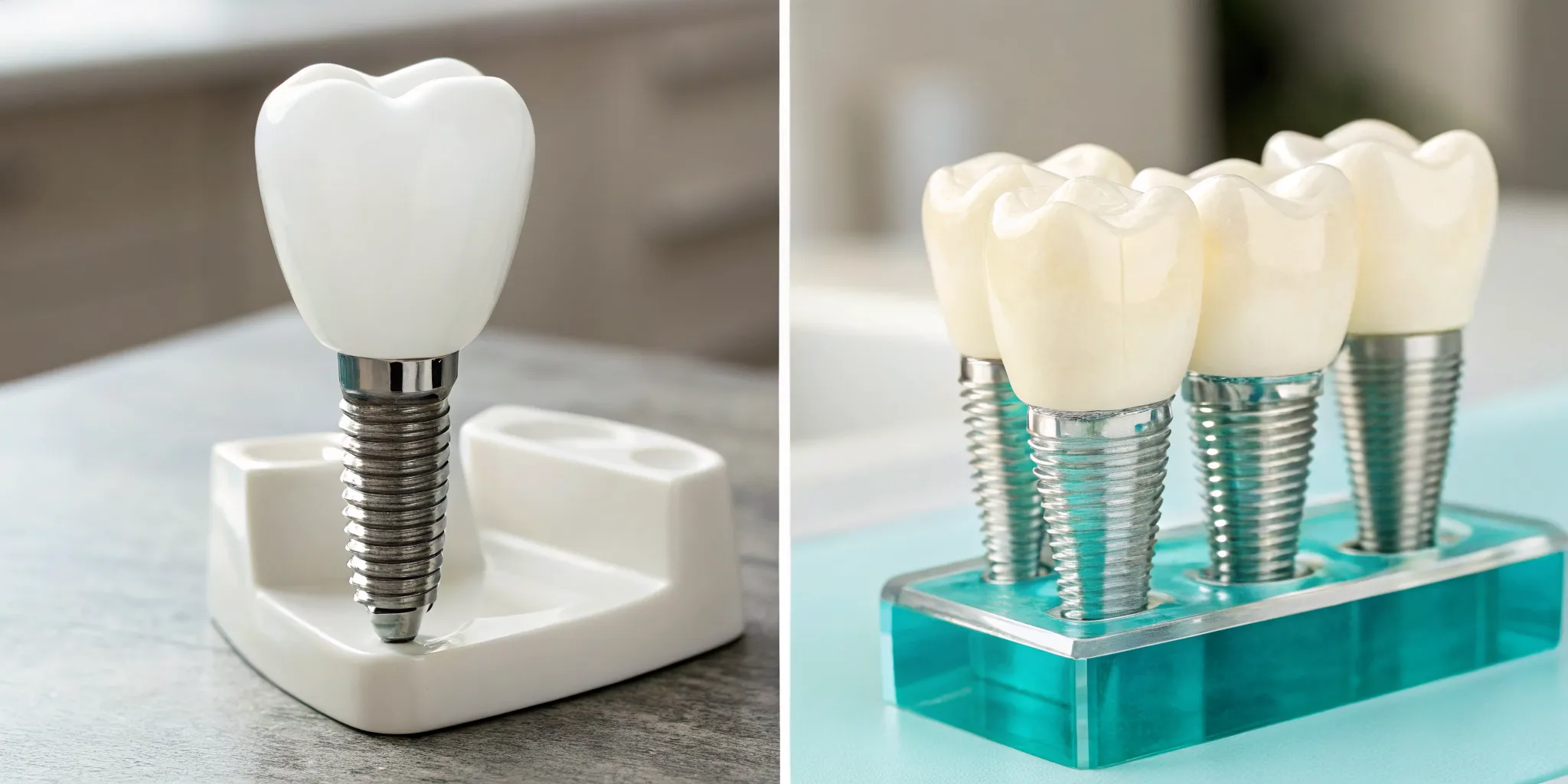
Traditional dental implants are the time-tested standard for tooth replacement and involve a more phased approach. The process starts with an oral surgery procedure to place a small titanium post into your jawbone. After this, the most important phase begins: healing. Over the next three to six months, your jawbone naturally fuses with the implant post in a process called osseointegration. This creates an incredibly strong and stable foundation for your new tooth. During this healing period, you might wear a temporary restoration, like a denture or bridge, so you're never left with a visible gap.
How Do They Compare on Timing and Technique?
The most obvious difference is the timeline. One-day implants give you an immediate tooth, while the traditional method requires multiple visits spread over several months. The reason for this extended timeline is to ensure proper healing. The gradual, multi-month process of traditional implants allows for complete osseointegration, where the jawbone grows around the implant post, locking it securely in place. This fusion is what gives a traditional dental implant its remarkable strength and longevity. With same-day implants, the immediate placement of a temporary tooth can sometimes interfere with this crucial bonding process, which may pose a higher risk of instability or failure if not managed carefully.
What to Expect During Your Implant Procedure
Getting a dental implant is a big step toward restoring your smile, and knowing what the process looks like can make you feel much more comfortable. Whether you’re considering a one-day procedure or the traditional route, here’s a straightforward look at what happens during your appointment and what recovery feels like.
The One-Day Implant Process
The one-day implant process is exactly what it sounds like: you can get a new tooth in a single visit. This is a fantastic option if you want to avoid a long wait for your new smile. During the appointment, your old tooth is removed, the implant post is placed, and a temporary (yet fully functional) crown is attached right away. You’ll walk out of the office with a complete smile on the same day. This approach combines multiple steps into one efficient procedure, letting you skip the months-long waiting period before you get your replacement tooth. It’s a streamlined path to a restored smile.
The Traditional Implant Process
The traditional implant process is more of a marathon than a sprint, taking place over several months. It involves two main stages. First, a small titanium post is surgically placed into your jawbone. This post acts as the new root for your tooth. Then, you’ll enter a healing period that typically lasts three to six months. During this time, a process called osseointegration occurs, where your jawbone fuses with the implant, creating a strong foundation. Once you’re fully healed, you’ll come back for a second, smaller procedure to attach the connector and your permanent, custom-made crown.
Healing and Recovery: What to Expect
No matter which type of dental implant you choose, your body needs time to heal. The key to a successful implant is osseointegration, the process where your jawbone grows around and fuses with the titanium post. This crucial healing phase takes about three to six months for both one-day and traditional implants. Immediately after your procedure, it’s normal to experience some mild discomfort and swelling. We’ll provide you with detailed aftercare instructions and any necessary pain medication to keep you comfortable. Following these guidelines carefully is the best way to ensure a smooth and successful recovery.
Weighing the Pros and Cons of Each Implant
Deciding between one-day and traditional implants comes down to balancing your immediate needs with your long-term goals. Each approach has its own set of benefits and considerations, and the right choice really depends on your specific situation, including your oral health and lifestyle. One option offers the speed of a single-visit transformation, while the other provides the gold standard in stability through a more gradual process. Let’s break down what each option offers so you can feel more confident in your decision.
The Case for One-Day Implants
The biggest draw for one-day implants is, without a doubt, convenience. You can walk into the office and leave with functional, temporary teeth in a single visit, which means an instant aesthetic fix. This is a fantastic option if you have a busy schedule or simply want to avoid a lengthy treatment process with multiple appointments. With a success rate of 90-95%, they are a reliable solution for the right person. One-day dental implants are best suited for individuals who already have good, dense jawbone and healthy gums, as this provides the necessary foundation for immediate placement and healing.
The Case for Traditional Implants
Traditional implants are often called the gold standard for a reason. While the process takes longer, typically three to six months, it allows for the highest long-term success rates, which are over 95%. This method is the most stable and durable option available. It’s especially beneficial for patients who need a bone graft, have lower bone density, or are managing other periodontal issues. The multi-step approach ensures your jaw has ample time to heal and fuse with the implant, creating a solid base for your new tooth. Procedures like bone grafting fall under oral surgery and can be a key step in preparing for a successful implant.
Considering Stability and Longevity
The long-term success of any dental implant depends on how well it fuses with your jawbone, a process called osseointegration. This connection is what creates a strong and permanent foundation for your new tooth. With traditional implants, the post is placed in the jawbone and given several months to fully integrate before a crown is attached. This waiting period is crucial for building maximum stability. One-day implants, on the other hand, don't have this extended integration time. While convenient, this can sometimes lead to a higher risk of instability or failure if the bone doesn't heal perfectly around the implant. The goal is always a strong, permanent solution that feels just like your natural teeth.
Are You a Candidate for Dental Implants?
Deciding if dental implants are right for you involves a few key considerations, from your oral health to your lifestyle. The great news is that with modern advancements, more people than ever can be candidates for a permanent, beautiful smile. The main question often comes down to which type of implant process fits your specific situation. Your dentist will help you make the final call, but understanding the general requirements for both one-day and traditional implants can give you a clearer picture of what to expect. It’s all about matching the right procedure to your unique health profile to ensure the best possible outcome.
Who Is a Good Fit for One-Day Implants?
One-day implants are an amazing option if you’re looking for immediate results. Imagine leaving the office with a brand-new tooth on the same day your old one is removed. This is a reality for many people, but it does require the right conditions. Generally, the best candidates for same-day implants are in good overall health and have sufficient jawbone density to support the implant right away. Being a non-smoker, or being willing to quit before the procedure, is also a major plus. If your jawbone is strong and you don't have any underlying health issues that could affect healing, you might be a perfect match for this streamlined process.
Who Is a Good Fit for Traditional Implants?
Traditional dental implants are the gold standard for a reason. They are incredibly reliable and work for a wider range of patients. If your jawbone isn't quite dense enough or if you need a bone graft to build it up first, the traditional route is likely your best bet. This method involves placing the implant and allowing several months for it to fuse completely with your jawbone, a process called osseointegration. This creates an exceptionally strong and stable foundation for your new tooth. While it takes longer, the traditional approach is a proven path to a permanent and successful restoration, especially for more complex cases.
Key Factors: Bone Health and Overall Wellness
Regardless of which implant type you’re considering, two factors are always at the forefront: your bone health and your overall wellness. Your jawbone needs to be strong enough to securely hold the implant in place. If it’s too thin or soft, the implant may not be successful without some preparatory work. Your general health also plays a vital role, as conditions like uncontrolled diabetes or autoimmune disorders can affect your body’s ability to heal. The main trade-off is speed versus healing time. One-day implants offer instant gratification but require ideal conditions, while traditional implants are more flexible and accommodate a broader range of patient needs. A thorough evaluation of all your dental needs will determine the safest and most effective path for you.
Thinking Long-Term: Success, Costs, and Myths
Making a decision about your smile is a big deal, and you want to feel confident that you’re choosing a solution that will last. When it comes to dental implants, thinking about the future is just as important as considering the immediate procedure. Let’s look at the success rates, common misconceptions, and financial aspects of both one-day and traditional implants so you can feel fully prepared. Understanding these long-term factors will help you partner with your dentist to make the best choice for your health and happiness for years to come.
Comparing Success Rates and Reliability
Both traditional and one-day implants have impressive success rates, typically over 90%. However, traditional implants often have a slight edge, with success rates reaching up to 98%. The main reason for this difference comes down to a process called osseointegration, which is how the implant post fuses with your jawbone. Traditional implants are given several months to fully integrate without any pressure, creating an incredibly strong foundation. Same-day implants don't have this extended, undisturbed healing period, which can sometimes affect the long-term bond. For patients with lower bone density or those who need bone grafting, the traditional method provides a more predictable and reliable outcome.
Debunking Common Implant Myths
The idea of getting "teeth in a day" sounds amazing, but it's important to know what that really means. The tooth you receive on the day of your procedure is a temporary restoration, not your final, permanent crown. It’s designed to look good while the implant underneath heals and integrates with your bone. The myth is that the process is truly finished in one visit. Rushing to place a permanent crown can put too much pressure on a new implant, potentially leading to failure. A successful, lifelong implant depends on that crucial, uninterrupted healing time, which the traditional approach prioritizes.
Understanding the Cost and Your Insurance
The cost of dental implants can vary based on your specific needs, but it's helpful to have a general idea. Traditional implants and one-day implants can have different price points, with same-day options sometimes carrying a higher initial cost due to the specialized, immediate work involved. Regardless of which you choose, think of it as an investment in your long-term oral health. With proper care, both types of implants can last 25 years or more. We recommend discussing your cosmetic dentistry goals and financial options with your dental team. They can help you understand your insurance coverage and create a plan that works for you.
How to Choose the Right Dental Implant for You
Deciding between one-day and traditional implants is a significant choice, and it’s one you don’t have to make alone. The best path forward depends entirely on your unique oral health, jawbone condition, and long-term goals. The most important step is a thorough consultation with a dental professional who can assess your specific situation. They will use advanced imaging like 3D scans and X-rays to get a clear picture of your jawbone density and gum health. This detailed evaluation is the foundation for a successful implant and a smile you’ll love for years to come.
Your dentist will walk you through the pros and cons of each option as they relate to you. This personalized guidance ensures you can make a confident and informed decision that aligns with both your health needs and your desired outcome.
Questions to Ask Your Dentist
Your consultation is the perfect time to get all your questions answered. Think of it as a conversation, not an examination. To get the most out of your appointment, consider asking your dentist a few key questions. You can start with, "Based on my scans, am I a better candidate for one-day or traditional implants, and why?" It’s also helpful to ask about the specifics of the procedure, such as, "What does the entire timeline look like for my recommended treatment?" and "What are the long-term success rates for this type of implant?"
Don’t hesitate to discuss your lifestyle and preferences, as this can also influence the best choice. A clear understanding of the process, from surgery to recovery, will help you feel prepared and confident in your dental implants journey.
Making the Best Decision for Your Smile
Ultimately, the choice between one-day and traditional implants involves a trade-off between speed and stability. One-day implants offer the incredible benefit of immediate results, but they require ideal conditions, including excellent jawbone density and overall oral health. Traditional implants have a longer timeline but are a reliable and proven solution for a wider range of patients. They offer a highly stable outcome because the implant fully integrates with the bone before a permanent crown is attached.
Both procedures rely on a natural healing process called osseointegration, where your jawbone fuses with the implant. This critical step takes about three to six months for both types. Your final decision should balance the appeal of a quick fix with the proven reliability of a more measured approach, ensuring your new smile is both beautiful and built to last as part of your overall cosmetic dentistry goals.
Related Articles
- Full Mouth Dental Implants in One Day: What to Expect
- Your Guide to Affordable Same Day Dental Implants
- Dental Implants Same Day as Extraction: What to Expect
- Dental Implants Same Day Cost: A Full Breakdown
- Same Day Dental Implants: Pros, Cons & What to Expect
Frequently Asked Questions
Is one implant procedure more painful than the other? Not really. Both procedures are performed with local anesthesia, so you won't feel any pain during the actual placement. Afterward, it's normal to have some mild soreness and swelling for a few days, regardless of which type of implant you get. We'll make sure you have everything you need to manage any discomfort, and most people find it's very manageable and similar to other dental procedures.
What is the temporary tooth in a one-day implant made of, and can I eat normally with it? The tooth you get with a one-day implant is a high-quality temporary crown. It’s crafted to look and feel natural so you can smile confidently right away. While it's quite durable, it's not as strong as your final, permanent crown. We'll ask you to stick to a soft food diet for a while and avoid chewing directly on the new tooth. This gives the implant post underneath the best chance to heal without any extra pressure.
If traditional implants have a slightly higher success rate, why would I choose a one-day implant? It really comes down to your personal priorities and your specific oral health. The main advantage of a one-day implant is the immediate result; you don't have to live with a gap in your smile. For someone with a healthy, dense jawbone who wants a quick and convenient solution, it's an excellent choice with a very high success rate. It’s a trade-off between instant gratification and the proven, time-tested stability of the traditional method.
What happens if my jawbone isn't strong enough for an implant right away? This is a common situation, and it doesn't mean an implant is off the table. It simply means the traditional, multi-step approach is the safest and most effective path for you. Your dentist may recommend a bone graft, which is a routine procedure to build up your jawbone. This creates a strong and solid foundation, ensuring your future implant will be secure and successful for the long term.
How long do both types of implants typically last? With proper care, both one-day and traditional implants are designed to be a permanent solution for tooth loss. Think of them as a long-term investment in your health and confidence. Many implants last for 25 years or even a lifetime. The key to their longevity is treating them just like your natural teeth: brushing, flossing, and keeping up with regular dental checkups.