
Pictures of Failed Gum Grafts: A Visual Guide
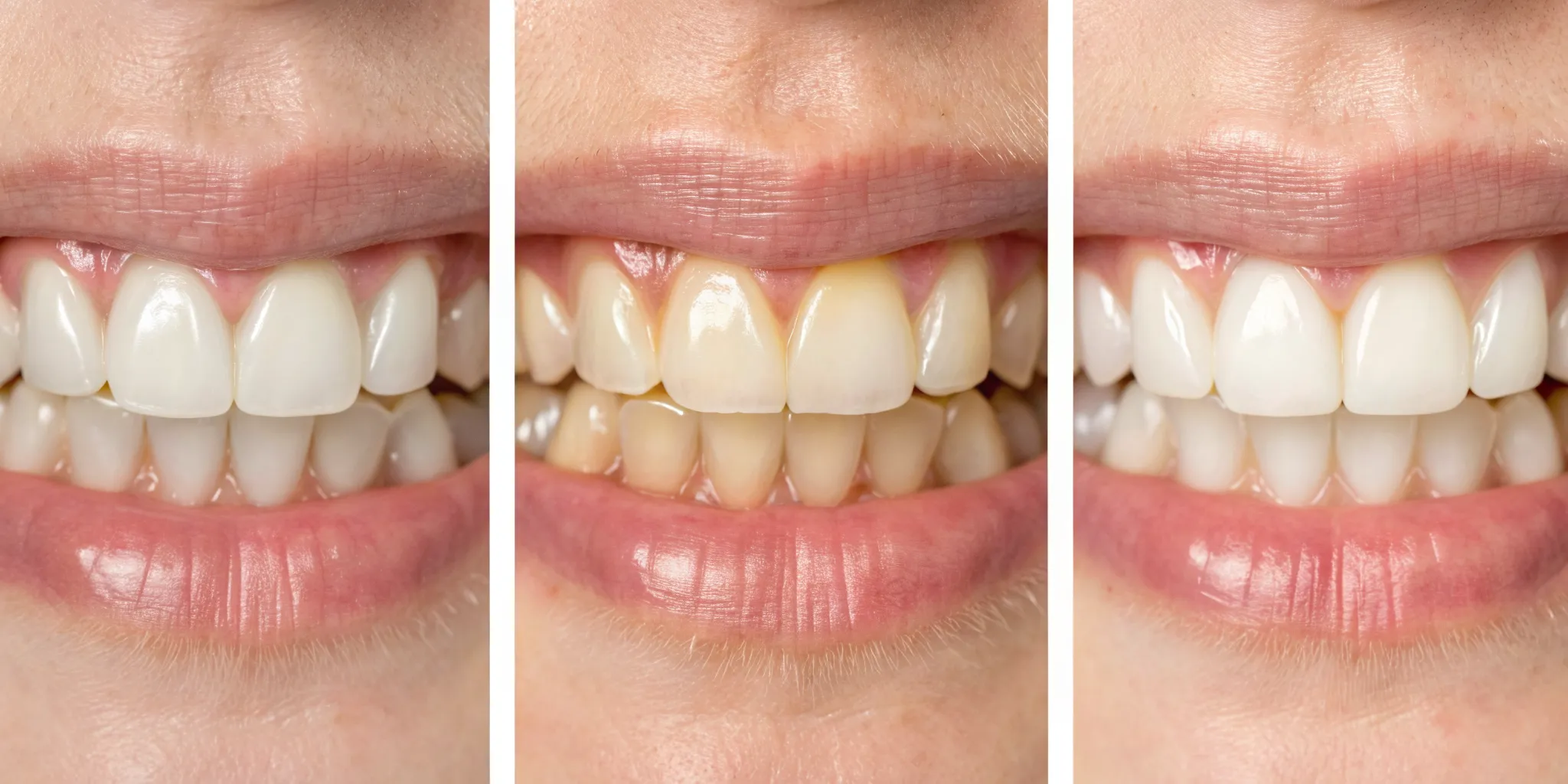
Your active participation in your recovery is a key part of a successful gum graft. Being an informed patient means you can spot potential issues early and act quickly. This guide is designed to empower you with that knowledge. Instead of feeling alarmed by generic pictures of failed gum grafts on the internet, you will learn to identify the specific warning signs that truly matter. We’ll explain what different symptoms mean, why they happen, and what you should do about them. This information puts you in the driver’s seat, turning you into a proactive partner in your own oral health and healing process.
Key Takeaways
- Know the difference between normal healing and a red flag: Pay close attention to the graft's color and your swelling levels. Tissue that turns stark white or black, or swelling that gets worse instead of better after a few days, are signs you need to call your dentist.
- Your aftercare routine is your most important job: Following your dentist's instructions on what to eat, how to clean the area, and avoiding habits like smoking is the single best way to protect your new graft and ensure it heals properly.
- Don't wait to ask for help: If something feels wrong, contact your dentist immediately. Getting a professional opinion is the fastest way to solve a problem, and remember that even a failed graft isn't the end of the road; there are always options to discuss.
How to Spot a Failed Gum Graft
After your gum graft surgery, your main job is to rest and let your body heal. While most grafts are successful, knowing what to look for can give you peace of mind and help you act quickly if something seems off. Your mouth gives clear signals when it's healing well and when it needs help. Paying attention to these signs in the first couple of weeks is key to a smooth recovery. If you notice any of the following issues, it’s important to contact your dentist right away. Catching a problem early gives you the best chance of getting your healing process back on track.
Is the Tissue Turning White or Gray?
During the first few days of healing, it's normal for the graft to look a little pale. However, if you see the tissue turn a stark, solid white or gray color, it's a major red flag. This discoloration often looks like a large patch covering the new tissue. It typically means the graft has lost its blood supply and the tissue is no longer viable. A healthy graft needs a steady flow of blood to integrate with your existing gums. Without it, the tissue can't survive. If you see this happening, don't wait for it to get better on its own; call your dentist immediately.
Watch for Black or Dark Spots
Similar to white patches, the appearance of black or very dark spots on the graft is a serious warning sign. This indicates tissue necrosis, which is a clinical term for tissue death. A healthy, healing graft should look pink or reddish as it integrates with the surrounding gums. Black tissue means the graft has failed to establish the necessary blood connection to survive. This is not a subtle change, so if you notice any part of the graft darkening significantly, it requires professional attention. Your dentist can assess the situation and determine the next steps for your oral surgery recovery.
Swelling That Won't Go Down
Some swelling and redness are completely normal after a gum graft. You can expect your gums to be puffy for the first week or so. However, this swelling should gradually decrease each day. If you find that the swelling isn't improving after two weeks, or if it suddenly gets worse, it could be a sign of a problem. Persistent, significant swelling, especially when paired with intense redness or warmth, often points to an infection or a sign that your body is rejecting the graft. It’s important to keep your dentist updated on your recovery, especially if your symptoms aren't following the expected timeline.
Notice Any Unusual Bleeding or Oozing
A little bit of bleeding in the first 24 hours after surgery is typical, but it should stop quickly. If you experience heavy or continuous bleeding from the graft site, it's a cause for concern. An even more serious sign is the presence of pus or a yellowish-white discharge oozing from the area. This is a clear indicator of an infection that needs to be treated right away to prevent further complications. An infection can not only cause the graft to fail but can also affect your overall health. Don't hesitate to seek immediate dental help if you notice these symptoms.
See if the Graft is Separating or Peeling Away
A successful gum graft will slowly and securely attach to the surrounding tissue. If you notice that the graft seems to be loose, separating from the tooth, or peeling away at the edges, it's a sign that it hasn't integrated properly. Sometimes, this failing tissue will also turn white as it loses its blood supply before coming loose. You should never try to push it back into place or remove it yourself. This can cause more damage and introduce bacteria. Instead, contact your dentist’s office, explain what you're seeing, and follow their instructions carefully.
Check for Renewed Gum Recession
The whole point of a gum graft is to cover exposed roots and stop gum recession. So, if you notice that your gumline in the treated area is starting to recede again, it's a strong indicator that the graft was not successful. This might not be immediately obvious and can be a more gradual change you notice weeks or months after the procedure. If the new gum tissue looks like it's shrinking or thinning out, exposing the root surface once more, the procedure likely didn't achieve its goal. It's a good idea to schedule a follow-up appointment to have it evaluated.
Why Do Gum Grafts Fail?
Gum graft surgery has a very high success rate, but like any procedure, there's a small chance it might not take. Understanding why a graft might fail can help you feel more prepared and play an active role in your own healing. Failure isn't usually due to just one thing; it’s often a combination of factors. From how you care for the site after surgery to your body’s unique healing process, several elements contribute to a successful outcome. Let’s walk through the most common reasons a gum graft might run into trouble.
Infection at the Surgical Site
An infection is one of the biggest threats to a new gum graft. After your procedure, the surgical area is a delicate environment. If harmful bacteria get in, they can cause problems like excessive swelling, redness, and pus, which prevent the new tissue from healing properly. An infection can stop the graft from attaching to its new home, ultimately leading to its failure. This is why keeping the area clean according to your dentist’s instructions is so important. If you notice any signs of infection, it’s crucial to call your dentist right away so they can address it before it compromises your oral surgery results.
Not Following Aftercare Instructions
Your dentist will send you home with a detailed list of aftercare instructions, and following them to the letter is your most important job. These guidelines are designed to protect the fragile graft while it heals. Simple missteps, like eating hard or crunchy foods too soon, brushing the area too aggressively, or not taking prescribed medications, can dislodge the graft or disrupt the healing process. Think of your aftercare plan as the roadmap to success. Sticking to it gives your body the best possible chance to accept the new tissue and heal beautifully. Proper care is a key part of all our dental services.
How Smoking and Other Habits Affect Healing
If you're a smoker, your dentist will strongly advise you to stop before and after your surgery. Smoking restricts blood flow throughout your body, and your gums are no exception. The new graft desperately needs a steady supply of oxygen-rich blood to survive and integrate with the surrounding tissue. Without it, the tissue can fail. Other habits, like drinking alcohol or using a straw, can also interfere with healing by drying out your mouth or creating suction that can dislodge the graft. Giving these habits a break during your recovery period is a powerful way to support a successful outcome.
Poor Blood Flow to the Graft
Sometimes, a graft fails even when you do everything right. A successful graft depends on establishing a new blood supply from the existing gum tissue. If the new tissue doesn't connect and integrate properly, it won't get the nutrients it needs to live. This is similar to how dental implants need to fuse with the jawbone to be successful. A lack of adequate blood flow can cause the graft tissue to die. This isn't necessarily anyone's fault; it can simply be a complication of how the tissue settles into its new location. Your dentist will take every precaution to place the graft for optimal blood supply.
The Role of Your Overall Health
Your oral health is directly connected to your overall health. Certain medical conditions can make healing from surgery more challenging. For example, uncontrolled diabetes can slow down your body's healing response and affect blood circulation, increasing the risk of graft failure. Autoimmune diseases can also complicate the healing process. That’s why it’s so important to share your complete medical history with your dentist. By understanding your unique health profile, we can create a treatment plan that accounts for these factors and gives you the best chance for success. It’s a core part of our approach to general dentistry and patient care.
How to Know if Your Gum Graft is Healing Correctly
It’s completely normal to feel a bit anxious after your gum graft procedure. You want to know that everything is healing just as it should. While your body is busy repairing itself, you can play an active role by keeping an eye on the surgical site. Knowing the difference between normal healing and a potential complication gives you peace of mind and helps you know when to reach out for guidance.
Your Week-by-Week Healing Guide
In the first week or two, your main job is to rest and follow your aftercare instructions to the letter. You’ll likely experience some swelling and discomfort, but this should gradually get better each day. Swelling that peaks after a few days and then starts to go down is a good sign. However, if you notice swelling that continues to get worse after day three, or if your gums look excessively red, it could signal an issue with the graft. A successful gum graft is a delicate type of oral surgery, and a smooth recovery depends on careful monitoring.
Normal Symptoms vs. Warning Signs
A little bit of oozing or bleeding in the first 24 to 48 hours is typical, but anything beyond that is worth noting. The key is to watch for symptoms that are persistent or getting worse. Pay close attention to warning signs like lasting redness, unusual bleeding, or any pus coming from the area. A bad taste or smell in your mouth that doesn't go away with gentle rinsing can also be a red flag. If you see the graft tissue pulling back, looking exposed, or feel pain when you talk or chew, it’s time to contact your dentist.
How Much Pain is Too Much?
You should expect some soreness after your procedure, but it should be manageable with the pain medication your dentist recommended. The discomfort is usually most noticeable for the first few days and should steadily improve. If you find that the pain isn't getting better or suddenly gets worse after a period of improvement, that’s a warning sign. Pain that becomes sharp, throbbing, or lasts for more than a week is not a normal part of the healing process. Don’t try to tough it out; persistent pain is your body’s way of telling you something isn’t right.
What Color Should Your Gums Be?
The color of the graft is one of the best visual cues for how it's healing. Initially, the tissue might look pale or whitish as new blood vessels form, and this isn't always a cause for alarm. However, if the graft turns a stark white or gray color and stays that way, it could indicate a lack of blood flow. The most serious warning sign is if the tissue turns dark or black. This points to tissue necrosis, meaning the graft has failed and needs immediate medical attention. If you notice any significant or concerning color changes, it’s always best to get it checked out.
Think Your Graft is Failing? Here's What to Do
What to Do Right Away
Seeing signs that your gum graft isn't healing as expected can be stressful, but it’s important to stay calm. The very first and most important step is to call your dentist or periodontist. Don't wait to see if things get better on their own. Explain your symptoms over the phone and schedule an appointment to have the surgical site examined. Your dental team has seen it all and can determine if what you're experiencing is a normal part of healing or a sign of a complication. Getting a professional opinion is the only way to know for sure what’s going on.
Take Photos to Track Changes
While you wait for your appointment, it’s a great idea to document the area. Use your phone to take clear, well-lit photos of the gum graft each day. This creates a visual record that can be incredibly helpful for your dentist. It allows them to see how the tissue has changed over time, which can provide important clues about what might be happening. Note any changes in color, swelling, or the position of the graft. Having these photos on hand during your visit will help you explain your concerns more accurately and give your dentist a more complete picture of the situation.
Key Questions for Your Dentist
Going into your appointment prepared can help you feel more in control. Think about what you want to know and write down a few questions to ask. This ensures you leave with a clear understanding of your situation and the treatment plan.
Consider asking things like:
- What do you think caused this issue?
- Is the graft failing, or is this a different complication?
- What are my treatment options now?
- Will I need another oral surgery procedure?
- What can we do to ensure a better outcome next time?
Your dentist is your partner in this process, so don't hesitate to ask for the information you need to feel comfortable.
When to Call for an Emergency Appointment
Some symptoms are more urgent than others and shouldn't wait for a scheduled appointment. You should call your dentist immediately for an emergency visit if you notice any serious warning signs. These include heavy or persistent bleeding that doesn't stop with gentle pressure, or the presence of thick, yellow, or white pus oozing from the surgical site, which is a clear sign of infection. Severe, throbbing pain that isn't managed by your prescribed pain medication is another red flag. These symptoms require immediate professional attention to prevent more serious complications from developing.
Can a Failed Gum Graft Be Fixed?
Discovering that your gum graft might be failing can feel incredibly discouraging, but please know that it’s not the final word on your oral health. In many cases, a failed graft can be addressed, and there are clear paths forward to get your smile back on track. The key is to communicate with your dental team and understand the available options. A failed graft provides valuable information that can help ensure the next attempt is a success. Working with your dentist, you can create a new plan that addresses any issues from the first procedure and sets you up for a better, more predictable outcome.
Trying Again: The Re-Grafting Process
If your gum graft fails, the first and most important step is to schedule a follow-up with your dentist. They will need to examine the area to understand what went wrong and determine the best course of action. Often, the solution is to try again with a new graft. Your dentist might suggest waiting a few months to let the area fully heal before attempting a second procedure. This approach allows them to create a new treatment plan, possibly using a different technique or grafting material to improve the chances of success. A second attempt is a common and often successful part of many patients' oral surgery journeys.
Explore Other Treatment Options
While re-grafting is a frequent solution, it isn't the only one. Depending on why the first graft failed and the condition of your gums, your dentist might recommend an alternative. For instance, they may use a different type of graft material, such as donor tissue instead of tissue from the roof of your mouth, to see if it integrates better. In some situations, other dental treatments might be considered to protect the exposed tooth root if another graft isn't advisable. Your dentist will walk you through all the possibilities, explaining the pros and cons of each so you can make an informed decision together.
What to Expect from a Second Recovery
If you and your dentist decide to proceed with another graft, it’s helpful to know what to expect. You will likely need to wait at least three months before the new surgery. This waiting period is crucial because it gives your gums time to heal and reduces the amount of scar tissue in the area, which can make the second procedure more challenging. The recovery process will be very similar to your first experience, but following your aftercare instructions to the letter will be more important than ever. Your commitment to the healing process plays a huge role in achieving a successful result.
How to Ensure a Better Outcome Next Time
To set yourself up for success, focus on two key areas: your surgical team and your aftercare diligence. First, ensure you're working with a skilled and experienced periodontist. Don't hesitate to ask to see before-and-after photos of their work. Second, commit to following every post-operative instruction precisely. This includes simple but critical rules, like not pulling on your lip to check the graft, as any movement can disrupt the delicate healing tissue. A successful outcome is a partnership, and your careful attention after surgery is just as important as the surgeon’s skill during the procedure for restoring your beautiful smile.
How to Prevent Gum Graft Failure
A successful gum graft isn't just about the procedure itself; it's a team effort between you and your dental team. While your periodontist handles the technical side, your actions before and after the surgery play a huge role in the outcome. The good news is that you have a lot of control over the healing process. By taking a few proactive steps, you can create the best possible environment for your new graft to thrive and give yourself the best shot at a smooth, successful recovery. Think of it as preparing the foundation for a healthy, beautiful smile that will last for years to come.
Get Healthy Before Your Surgery
Your journey to a successful gum graft starts well before you even sit in the dental chair. Getting your body ready for surgery can make a significant difference in how well you heal. If you smoke, now is the perfect time to try and quit, as smoking can seriously restrict blood flow and hinder healing. It's also crucial to have an open conversation with your dentist about your complete health history. Be sure to mention all medications you're taking and any health conditions you have. This information helps our team create a personalized oral surgery plan that accounts for your unique needs, setting you up for a successful outcome from day one.
Follow Your Aftercare Plan Carefully
Once your surgery is complete, your dentist will give you a detailed aftercare plan. Following these instructions is the single most important thing you can do to protect your new graft. This isn't the time to cut corners. Your plan will cover everything from what to eat (think soft foods) to how to clean your mouth without disturbing the delicate surgical site. It's very important to follow all instructions given by your periodontist, especially about how to brush and what to eat, to protect the healing graft. Sticking to the plan minimizes the risk of infection and ensures the tissue can attach and heal properly.
Maintain Your Results for the Long Haul
Caring for your gum graft doesn't stop once the initial healing period is over. Long-term success depends on consistent oral hygiene and regular dental visits. Attending all your follow-up appointments is essential. These regular check-ups allow your dentist to see how you're healing and catch any potential problems early before they become serious. Maintaining a great at-home care routine and scheduling regular cleanings as part of your general dentistry care will protect your investment, prevent future recession, and keep your entire mouth healthy for the long haul. Think of it as ongoing maintenance for your beautiful new smile.
Address Key Risk Factors in Advance
Certain health factors can make healing from a gum graft more challenging. That's why a thorough pre-surgical consultation is so important. Medical conditions like diabetes or autoimmune diseases can slow down the body's natural healing process. If your body has trouble fighting off sickness, it might also have a harder time healing the graft. By discussing your full health history with us beforehand, we can take any necessary precautions to support your recovery. Our goal is to provide comprehensive dental services that consider your overall well-being, ensuring we address any potential risks and tailor the treatment plan specifically for you.
Related Articles
- Gum Surgery Graft Cost: Your 2026 Price Guide — Bellaire Modern Dental | Houston, TX
- Bone Graft Healing Stages Pictures: A Visual Guide — Bellaire Modern Dental | Houston, TX
Frequently Asked Questions
What's the most obvious sign my gum graft is failing? The most critical warning signs are visual. If you see the new tissue turn a solid white, gray, or even black color, it's a major red flag. A healthy, healing graft should look pinkish or reddish as it integrates. These dramatic color changes usually mean the graft has lost its blood supply, which is essential for its survival. If you notice this, you should call your dentist's office right away.
Is it normal for the graft to look a little strange in the first week? Yes, it's completely normal for the surgical site to look a bit unusual as it begins to heal. The graft might appear somewhat pale or whitish for the first few days, and you can expect some swelling and redness in the area. The key is to watch for gradual improvement. If the swelling keeps getting worse after day three or the color changes to a stark white or black, that's when you should be concerned.
If my graft fails, does that mean I did something wrong? Not at all. While following your aftercare instructions is a huge part of a successful recovery, a graft can sometimes fail for reasons outside of your control. Factors like how well the new tissue establishes a blood supply or even your unique overall health can play a role. The best thing you can do is communicate openly with your dentist about your recovery so they can help you every step of the way.
What happens if my gum graft doesn't work? Can it be fixed? If your graft doesn't take, it can definitely feel disappointing, but it's usually not the end of the road. In many cases, the procedure can be done again. Your dentist will first need to figure out why the graft failed and let the area heal completely, which might take a few months. This gives them the chance to create a new plan that can lead to a much better outcome the second time around.
What is the single most important thing I can do to help my gum graft succeed? Following your dentist's aftercare instructions to the letter is the most critical part of your recovery. These rules are designed to protect the very fragile new tissue while it heals. Simple things like sticking to a soft food diet, avoiding straws, and not disturbing the site with your tongue or toothbrush can make all the difference. Your diligence at home is just as important as the surgeon's work in the office.